Visa rules for journalists: What’s the worst impact?
Visa rules for journalists have been blocked in the US, causing significant concern among international media professionals. This decision affects not only journalists but also students seeking educational opportunities.
Impact of Blocked Visa Rules
The recent decision by the US to block changes to visa rules for journalists has raised significant concerns within the media community. These visa rules for journalists were seen as an opportunity to facilitate greater freedom of movement for reporters covering critical global events. However, the current restrictions are likely to have serious repercussions.
One of the most immediate impacts is the limitation on foreign journalists’ ability to report from the United States. This not only affects their access to crucial stories but also diminishes the diversity of perspectives in American media. With fewer international voices, the scope of coverage may become increasingly narrow, leading to a homogeneous narrative.
Additionally, the blocked changes could deter talented journalists from pursuing opportunities in the US, resulting in a significant brain drain. This loss of talent may ultimately weaken the American media landscape, as fresh viewpoints and ideas become scarce.
Finally, the backlash from international communities may also affect diplomatic relations, as many countries view the freedom of the press as a fundamental human right. The inability to adapt visa rules for journalists could thus have far-reaching implications beyond just the media sector.
Current Visa Regulations for Journalists
In recent developments, the current visa regulations for journalists have become a focal point of debate. These regulations are critical for ensuring that media professionals can work effectively across borders. The visa rules for journalists have traditionally allowed for easier access to countries where reporting is essential, enabling them to cover events and issues that shape public discourse.
However, recent actions by the US government have raised concerns about the implications of blocked visa rules. Many journalists who rely on these visas for their work find themselves in precarious situations. The current regulations impose stringent requirements that can hinder the timely coverage of important events.
Key aspects of the current visa regulations include:
- Documentation Requirements: Journalists must provide extensive documentation to support their visa applications, which can delay the process.
- Restrictions on Freelancers: Freelance journalists often face additional challenges in meeting the criteria set by immigration authorities.
- Increased Scrutiny: Applications are subjected to higher levels of scrutiny, which can result in application denials.
As the situation evolves, many are concerned about how these regulations will affect the freedom of the press and the ability of journalists to report on critical global issues.
What This Means for Students
The recent decision to block changes to visa rules for journalists has significant implications not only for working professionals but also for students aspiring to enter the field of journalism. Students seeking to study journalism abroad often rely on student visas, which can become complicated under restrictive regulations. The uncertainty surrounding visa rules for journalists may discourage international students from pursuing programs in the United States, where many of the world’s leading journalism schools are located.
Moreover, the potential for increased scrutiny and lengthy application processes can create barriers that impact students’ ability to gain valuable educational experiences. This situation could lead to a decline in diversity within journalism programs, as students from various backgrounds may feel inhibited from applying due to fears over visa approval.
Additionally, students may find it challenging to secure internships or practical experiences that are crucial for their career development. The ability to gain hands-on experience is a vital component of journalism education, and any obstacles in visa regulations could have lasting effects on students’ future opportunities in the field.
In essence, the implications of blocked visa rules extend beyond immediate professional concerns, affecting the next generation of journalists and the diversity of perspectives in the media landscape.
Future of US Visa Policies
The future of US visa policies for journalists remains uncertain following the recent decision to block changes that could have streamlined the application process. As global journalism faces increasing threats, the current visa rules for journalists may not adequately support those seeking to report on critical issues. The implications of these policies extend beyond immediate access; they may hinder international collaboration and the free flow of information.
Many journalists rely on timely visa approvals to cover significant events, and delays can severely impact their ability to report accurately and effectively. The blocked changes were anticipated to enhance transparency and efficiency, making it easier for journalists to obtain necessary documentation. The absence of these reforms could lead to a rise in self-censorship, as reporters may avoid covering sensitive topics due to fears of visa complications.
Furthermore, the continued rigidity of visa rules for journalists may discourage foreign talent from pursuing opportunities in the United States. Many aspiring reporters and media professionals face an uncertain future, as the lack of clear pathways to obtain visas can stifle their ambitions. In an era where the exchange of ideas is vital, it is crucial for the US to reconsider and adapt its visa policies to foster a more inclusive environment for journalists.
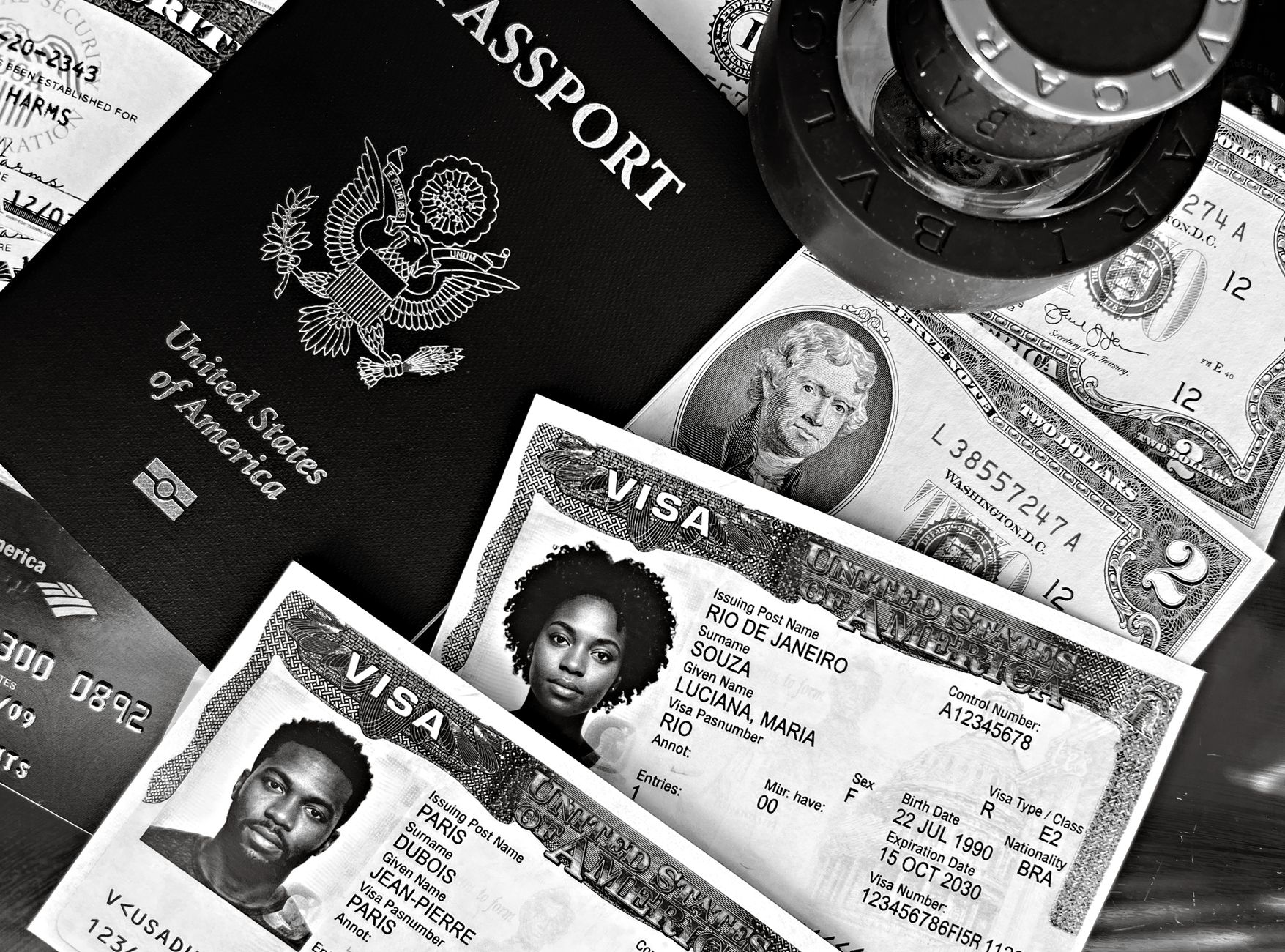
Photo by DΛVΞ GΛRCIΛ on Pexels
References
Related reading