
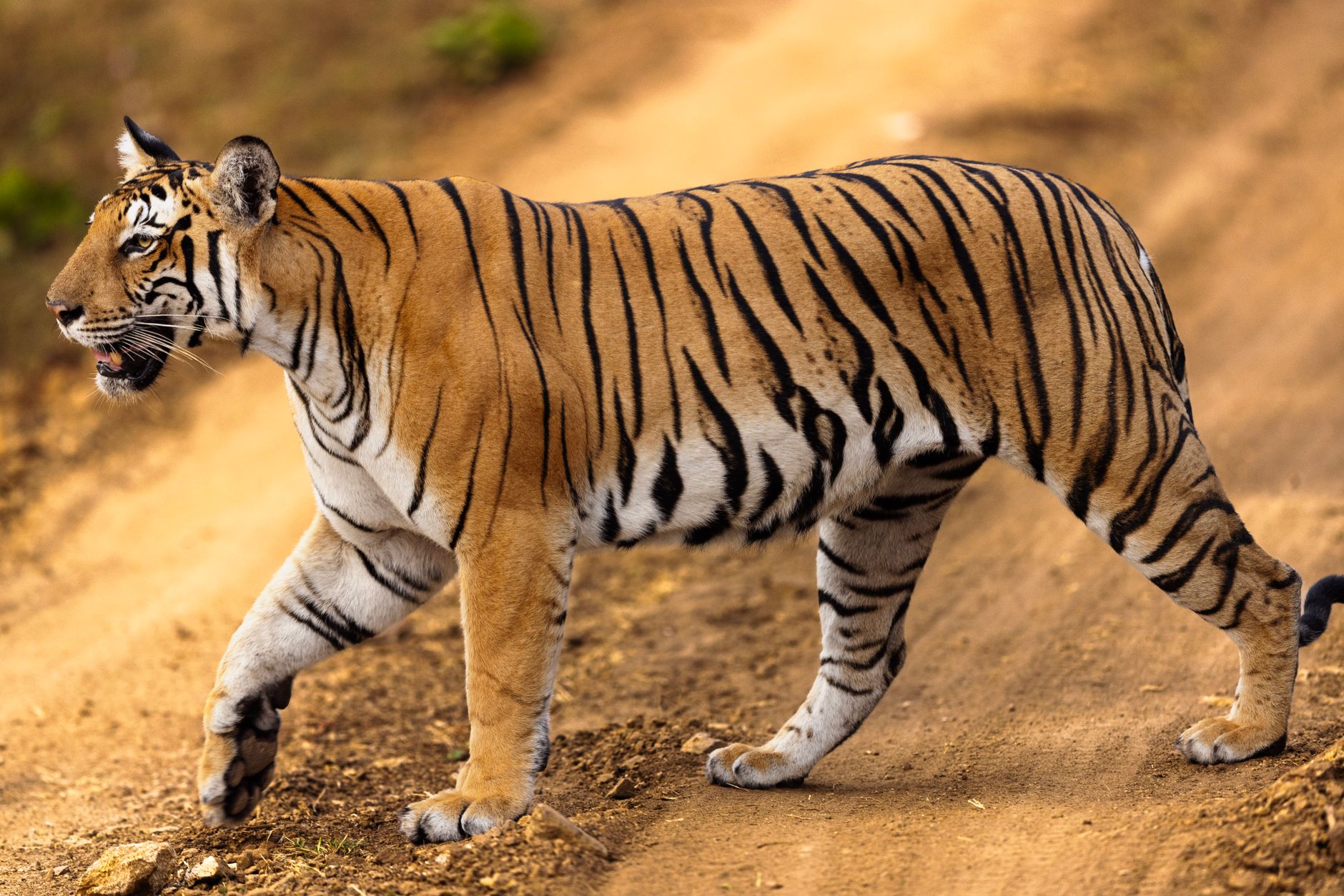
Indravati Tiger Reserve: Safe Travel Guide for Tourists
Indravati Tiger Reserve reopens to tourists after four decades of conflict, inviting adventure seekers to explore its rich biodiversity and stunning landscapes.
Overview of Indravati Tiger Reserve
The Indravati Tiger Reserve is a stunning natural sanctuary located in the state of Chhattisgarh, India. Covering an area of approximately 1,255 square kilometers, it is renowned for its diverse flora and fauna, making it a vital conservation area for various species, including the majestic tiger.
After four decades of conflict and restrictions, the reserve has recently reopened to tourists, providing a unique opportunity to explore its rich biodiversity and breathtaking landscapes. Visitors can enjoy a range of activities such as wildlife safaris, bird watching, and trekking through lush forests.
As the reserve welcomes travelers back, it is essential to be aware of certain guidelines. Tourists are encouraged to:
- Respect the natural environment and wildlife.
- Follow all safety protocols established by park authorities.
- Book accommodations in advance to ensure a smooth stay.
With its reopening, the Indravati Tiger Reserve promises an unforgettable experience for nature enthusiasts and adventure seekers alike.
History of the Reserve
The Indravati Tiger Reserve has a rich history that reflects the challenges and triumphs of wildlife conservation in India. Established in 1981, the reserve was initially created to protect the endangered tiger population in the area. However, the region faced significant challenges due to local conflicts and poaching, leading to a period of restricted access for tourists that lasted nearly four decades.
Originally part of the larger Indravati National Park, the reserve encompasses a diverse range of habitats, including dense forests, grasslands, and riverine ecosystems. Over the years, the park has become home to a variety of wildlife, including the elusive tiger, leopards, and a wide array of bird species.
After a lengthy hiatus, the Indravati Tiger Reserve has recently reopened to tourism, allowing visitors to experience its natural beauty and rich biodiversity. This reopening marks a significant step towards promoting eco-tourism while ensuring the protection and preservation of the unique wildlife that calls this reserve home.
Wildlife and Biodiversity
The Indravati Tiger Reserve is renowned for its rich wildlife and diverse ecosystem, making it a prime destination for nature enthusiasts. Home to various species, the reserve plays a crucial role in the conservation of India’s wildlife.
Visitors to the reserve can expect to encounter:
- Tigers: As the name suggests, the reserve is a sanctuary for the majestic tiger, with conservation efforts aimed at increasing their population.
- Leopards: These elusive big cats are also found roaming the dense forests of Indravati.
- Herbivores: The reserve is populated by several herbivorous species, including chital, nilgai, and sambhar.
- Birdlife: Birdwatchers will delight in the variety of avian species, including hornbills, eagles, and numerous migratory birds.
With its stunning landscapes and thriving biodiversity, the Indravati Tiger Reserve offers a unique opportunity for tourists to connect with nature while supporting conservation efforts in the region.
Travel Tips for Visitors
Traveling to the Indravati Tiger Reserve offers a unique opportunity to experience nature and wildlife up close. Here are some essential travel tips for visitors planning their trip:
- Best Time to Visit: The ideal time to explore the reserve is from November to March when the weather is pleasant, and wildlife is more active.
- Permits: Ensure you obtain the necessary permits before entering the reserve. These can typically be arranged through local tourism offices.
- Guided Tours: Consider hiring a local guide who can provide insights into the flora and fauna, enhancing your overall experience.
- Safety Precautions: Always adhere to safety guidelines provided by park authorities. Maintain a safe distance from wildlife and never feed animals.
- What to Pack: Bring binoculars for wildlife watching, a good camera for photography, and comfortable walking shoes for exploring the trails.
By following these tips, visitors can enjoy a safe and memorable experience in the stunning Indravati Tiger Reserve.
Best Time to Visit
The best time to visit Indravati Tiger Reserve is during the dry season, which typically spans from October to March. This period offers favorable weather conditions, making it ideal for wildlife spotting and outdoor activities.
During these months, temperatures are moderate, ranging from 15°C to 30°C, allowing tourists to enjoy the rich biodiversity without the discomfort of extreme heat. Moreover, as water sources diminish, animals are more likely to gather around remaining waterholes, providing excellent opportunities for sightings.
It is advisable to plan visits during the early morning or late afternoon hours, as animals are more active during these times. Additionally, the clear skies and pleasant temperatures create perfect conditions for photography.
However, it is essential to be mindful of peak tourist seasons, especially around holidays, when the reserve may become crowded. To ensure a more serene experience, consider visiting on weekdays. Overall, timing your visit to Indravati Tiger Reserve can significantly enhance your wildlife adventure.
Accommodation Options
Finding suitable accommodation is essential for a comfortable stay while exploring the Indravati Tiger Reserve. Visitors have several options to choose from, catering to different preferences and budgets.
- Forest Rest Houses: Managed by the forest department, these rest houses offer a unique experience amidst nature. They often provide basic amenities and are ideal for those seeking a rustic experience.
- Eco-Tents: For a more adventurous stay, eco-tents are available near the reserve. These tents offer a blend of comfort and immersion in the natural surroundings, allowing guests to enjoy the sounds of wildlife at night.
- Luxury Resorts: For travelers seeking more comfort, several luxury resorts are located near the reserve. These often come with modern amenities, fine dining, and guided tours, ensuring a comfortable and enriching experience.
- Homestays: Staying with local families can provide a unique cultural insight. Homestays offer a warm atmosphere and the opportunity to enjoy local cuisine.
Regardless of the choice, accommodations near the Indravati Tiger Reserve promise a memorable experience for all visitors.
Local Culture and Attractions
The Indravati Tiger Reserve is not only a haven for wildlife enthusiasts but also a gateway to rich local culture and attractions. Visitors can immerse themselves in the vibrant traditions of the indigenous communities that inhabit the surrounding areas.
Among the highlights of the local culture are:
- Traditional Crafts: Local artisans produce intricate handicrafts, including bamboo products and handwoven textiles, which make for unique souvenirs.
- Festivals: Experiencing local festivals, such as the Dussehra and Makar Sankranti, offers visitors a glimpse into the customs and celebrations of the tribal people.
- Local Cuisine: The diverse flavors of the region are best explored through traditional dishes made from locally sourced ingredients, often featuring rice, fish, and seasonal vegetables.
- Cultural Tours: Guided tours allow tourists to engage with local communities, providing insights into their daily lives and practices.
Overall, the Indravati Tiger Reserve not only attracts wildlife lovers but also those eager to learn about the rich tapestry of cultures that thrive in and around the reserve.
Safety Guidelines for Tourists
Visitors to the Indravati Tiger Reserve are encouraged to follow essential safety guidelines to ensure a secure and enjoyable experience. The reserve, known for its diverse wildlife and breathtaking landscapes, requires tourists to be vigilant and prepared. Here are some key recommendations:
- Respect Wildlife: Keep a safe distance from all animals and never attempt to feed or approach them.
- Stay on Designated Trails: Stick to marked paths to minimize your impact on the environment and avoid getting lost.
- Travel in Groups: It’s safer to explore the reserve with a group or guide, especially in remote areas.
- Follow Ranger Instructions: Always heed the advice and warnings given by park rangers regarding animal sightings and safety precautions.
- Prepare for Emergencies: Carry a first-aid kit and ensure you have a reliable communication device in case of emergencies.
By adhering to these guidelines, visitors can help protect themselves and the precious ecosystem of the Indravati Tiger Reserve.
Photo by Raghavendra Narayan on Pexels
Where this came from
streamlinefeed.co.ke · Indravati Tiger Reserve
Related stories
Visa rules for journalists: What’s the worst impact? · Guangzhou New Delhi flights: Are They the Best Travel Option? · Wizz Air UAE flights: Best routes and proven travel dates
