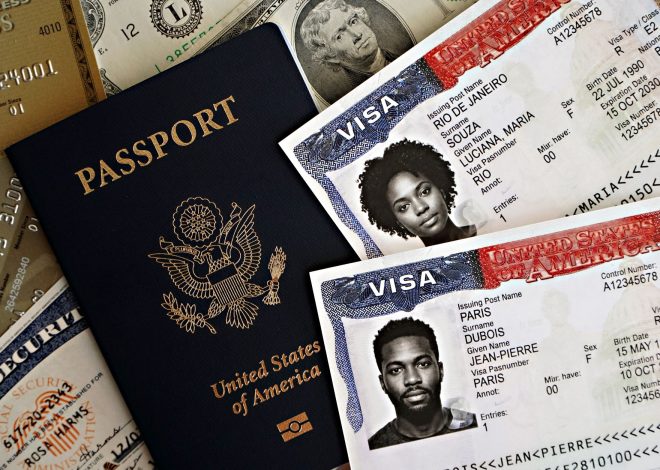
US work visa rules: Are Changes a Smart Move?
US work visa rules are at the center of Marco Rubio’s recent defense. The changes aim to streamline processes and enhance opportunities for foreign workers.
Overview of the Changes to US Work Visa Rules
Recent modifications to the US work visa rules have sparked considerable debate among lawmakers and immigration advocates. Senator Marco Rubio has emerged as a prominent defender of these changes, arguing that they are essential for ensuring the integrity of the visa system while also benefiting the American economy.
The revised regulations aim to address several critical areas, including:
- Job Security: The changes are designed to prioritize American workers by ensuring that foreign workers are only brought in when there is a clear shortage of qualified candidates.
- Streamlined Processes: New procedures are intended to make the application process more efficient, reducing wait times for both employers and potential employees.
- Increased Transparency: Companies will be required to disclose more information about their hiring practices, allowing for greater scrutiny and accountability.
Supporters of the changes argue that they will help maintain a balanced labor market, while critics express concerns about the potential for increased restrictions on skilled workers. As the debate continues, the long-term implications of these US work visa rules remain to be seen.
Marco Rubio’s Stance on Immigration
Senator Marco Rubio has emerged as a vocal supporter of the recent changes to US work visa rules. He argues that the adjustments are essential for revitalizing the American economy and addressing labor shortages in various sectors. According to Rubio, the new regulations will streamline the application process, making it easier for skilled workers to enter the United States.
In his statements, Rubio emphasized the importance of attracting talent from abroad to fill critical roles in technology, healthcare, and other industries facing a shortage of skilled labor. He believes that these changes will not only benefit businesses but also enhance economic growth across the nation.
However, Rubio’s stance is not without controversy. Critics argue that the new work visa rules could undermine job opportunities for American workers. They express concerns that prioritizing foreign workers may lead to increased competition in an already challenging job market. In response to these criticisms, Rubio insists that the changes are designed to complement, rather than replace, the domestic workforce.
As the debate continues, many are left wondering if these shifts in US work visa rules are indeed a smart move for the future of the American labor market.
Impact on Foreign Workers
The recent changes to the US work visa rules have sparked significant debate regarding their impact on foreign workers. Many advocates argue that these modifications could lead to both positive and negative outcomes for individuals seeking employment in the United States.
Supporters believe that the adjustments will streamline the application process, making it easier for skilled workers to secure employment in high-demand sectors. This could potentially fill labor shortages in industries like technology, healthcare, and engineering, contributing to the overall economy.
However, critics caution that these changes may also result in stricter eligibility criteria, which could hinder many foreign workers from obtaining visas. The increase in competition for limited positions might leave some qualified individuals without opportunities, thus exacerbating existing challenges in the job market.
Furthermore, there are concerns about the long-term implications of these changes. Foreign workers play a crucial role in the U.S. economy, and any obstacles that prevent their participation could have detrimental effects on innovation and productivity.
As the debate continues, it remains vital for policymakers to consider the balance between protecting domestic jobs and ensuring that the U.S. remains an attractive destination for global talent.
Employer Reactions to Visa Changes
As the new US work visa rules take effect, reactions from employers across various sectors have been mixed. Many businesses, particularly in technology and agriculture, express concern about the potential limitations these changes may impose on their ability to attract skilled labor.
- Challenges in Recruitment: Companies are worried that stricter visa requirements could lead to a talent shortage, making it harder to fill crucial positions.
- Increased Compliance Costs: Employers anticipate higher costs associated with navigating the new regulations, which could strain smaller businesses.
- Support for Skilled Immigration: Some sectors, like tech, argue that foreign workers are essential for innovation and growth, and they fear these changes might stifle progress.
- Call for Flexibility: Industry leaders are urging the government to consider the unique needs of their fields and advocate for a more adaptable visa system.
While some employers support the intent behind the changes, emphasizing the need for a legal workforce, the general sentiment highlights a fear that the US work visa rules may hinder the very economic growth the government aims to stimulate. Balancing security and economic needs remains a central challenge in the ongoing immigration debate.
Key Benefits of the New Visa Rules
The recent adjustments to the US work visa rules have sparked significant discussions regarding their potential benefits. Advocates argue that these changes can lead to several positive outcomes for both the economy and foreign workers.
- Enhanced Labor Market Flexibility: The new visa rules are designed to address labor shortages in critical industries, allowing employers to access a wider pool of talent. This flexibility can help businesses adapt more swiftly to changing demands.
- Increased Economic Growth: By attracting skilled workers from abroad, the US can bolster innovation and productivity, contributing to overall economic growth. A diverse workforce can lead to fresh ideas and improved competitiveness in the global market.
- Streamlined Application Processes: The updated procedures aim to simplify the application process for both employers and applicants, reducing wait times and administrative burdens. This efficiency can encourage more companies to hire foreign talent.
- Stronger International Relations: By fostering a welcoming environment for foreign workers, the US can strengthen its diplomatic ties with other nations, promoting goodwill and collaboration across borders.
Overall, the key benefits of the new visa rules may significantly enhance the landscape of employment in the US, making it a more attractive destination for skilled individuals seeking opportunities.
Criticism and Concerns Raised
While the changes to US work visa rules have garnered support from some quarters, significant criticism and concerns have been raised by various stakeholders. Critics argue that these modifications could lead to unintended consequences for both foreign workers and the U.S. economy.
- Job Market Impact: Opponents contend that the new regulations might limit opportunities for domestic workers, as employers may prefer hiring foreign talent over investing in local workforce development.
- Skill Gaps: There are worries that the focus on certain industries may exacerbate existing skill gaps in the labor market, leaving sectors that require skilled labor underserved.
- Long-Term Stability: Some experts emphasize that the transient nature of work visas could lead to instability in various industries, making it difficult for businesses to maintain a consistent workforce.
- Legal Concerns: Legal experts voice concerns that the changes may complicate the visa application process, potentially leading to an increase in legal challenges and administrative burdens for employers.
- Equity and Fairness: There are fears that the new rules could disproportionately affect certain demographics, raising questions about fairness and equity in the immigration system.
These criticisms highlight the complexity of balancing immigration reform with economic needs, prompting ongoing debates about the future of US work visa rules.
Future of US Work Visa Policies
As the landscape of immigration continues to evolve, the future of US work visa policies remains a topic of intense debate. Advocates argue that the recent changes to US work visa rules will streamline the application process, making it easier for skilled professionals to contribute to the American economy. However, detractors express concerns that these modifications could lead to increased competition for jobs, ultimately disadvantaging domestic workers.
In response to the shifting dynamics, many employers are adapting their hiring strategies. Some are now more willing to sponsor foreign workers under the new regulations, while others remain cautious, weighing the potential pitfalls against the benefits of a diverse workforce. The success of the revised visa rules may hinge on how well they are implemented and whether they effectively balance the needs of businesses with the protection of local employment opportunities.
Looking ahead, experts suggest that continuous evaluation of these policies will be essential. Policymakers may need to consider feedback from various stakeholders, including businesses, immigrant advocacy groups, and the citizens who may be impacted by these changes. Only through ongoing dialogue can the US work visa rules evolve in a way that supports both economic growth and social equity.
The ongoing debates surrounding US work visa rules highlight the need for a balanced approach that supports both the economy and skilled labor. As policymakers consider potential reforms, understanding the implications of changing US work visa rules will be crucial for businesses and workers alike.
By European Parliament via Openverse
References
You might also like