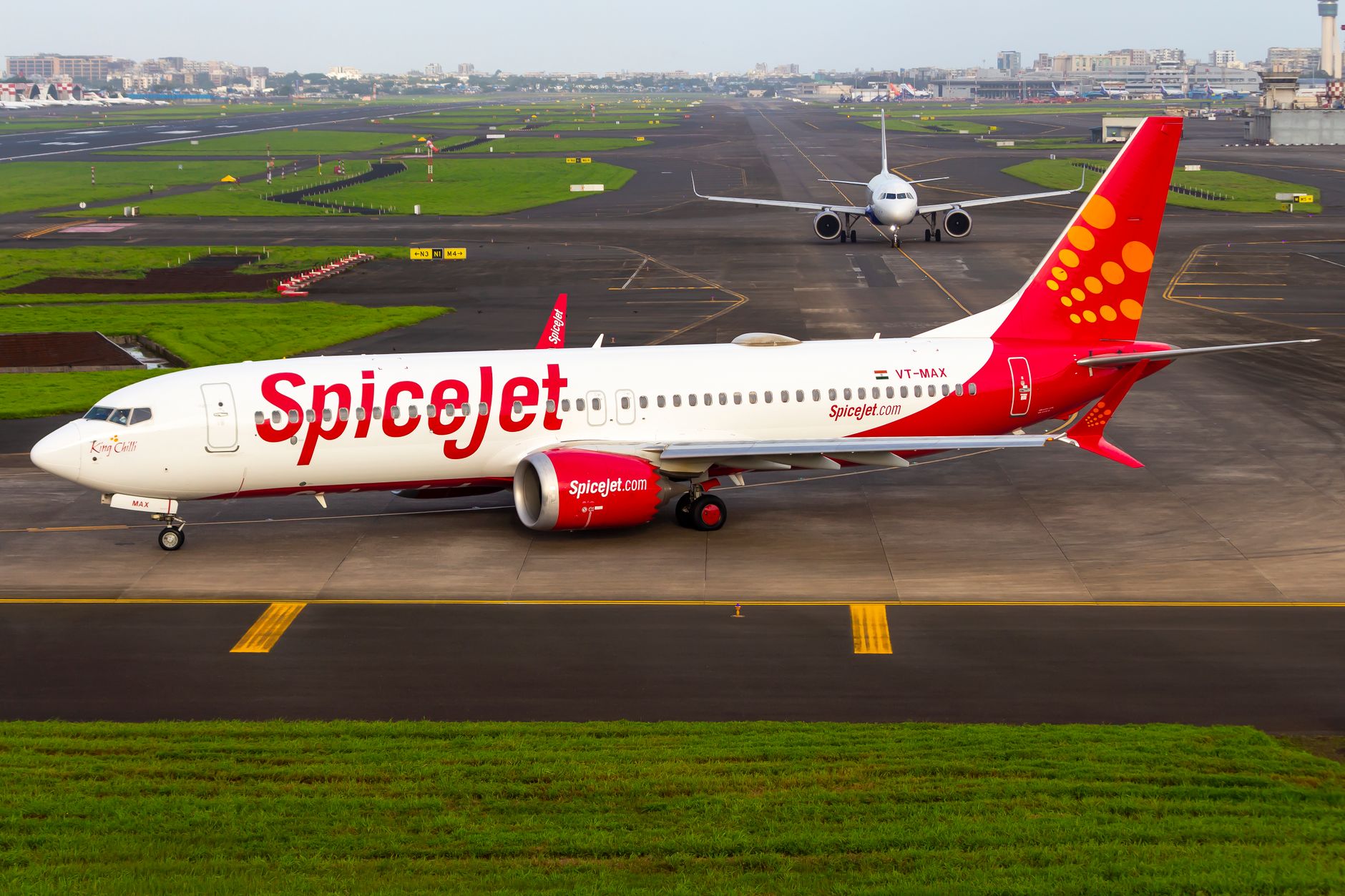
Mumbai airport flight slots: Worst impact on airlines
Mumbai airport flight slots are a major concern as 12 international airlines have not been allocated slots for summer 2027. This situation may lead to the shifting of 16 daily flights to NMIA.
Overview of Mumbai airport slot allocation
The allocation of flight slots at Mumbai airport has become a contentious issue, particularly affecting international airlines. With significant demand for air travel, the recent announcement that 12 international airlines were not allocated slots raises concerns about operational efficiency and passenger convenience.
As travel demand surges, the lack of available flight slots at Mumbai airport could lead to significant disruptions. Airlines may be forced to reconsider their schedules, resulting in potential shifts of up to 16 daily flights to the upcoming Navi Mumbai International Airport (NMIA). This situation underscores the challenges surrounding Mumbai airport flight slots and the need for a more streamlined allocation process to accommodate the growing number of travelers.
Key issues related to the slot allocation include:
- Operational disruptions due to limited availability
- Increased competition among airlines for fewer slots
- Potential impact on overall air travel experience
Impact on international airlines
The recent slot allocation at Mumbai airport has caused significant disruptions for international airlines. With 12 major carriers omitted from the summer 2027 flight slots, the situation poses a serious challenge for their operations. As a result, these airlines may be compelled to shift up to 16 daily flights to the upcoming Navi Mumbai International Airport (NMIA).
This unexpected shift raises concerns about the competitive landscape of air travel in the region. Airlines that rely heavily on Mumbai airport flight slots are left scrambling to adjust their schedules and meet passenger demands.
- Increased operational costs: Airlines may face higher expenses due to the transition to NMIA.
- Passenger inconvenience: Travelers might experience confusion and delays during the transition.
- Market dynamics: The shift could alter the competitive balance among carriers operating in India.
Details on NMIA flight shifts
The recent allocation of flight slots at Mumbai airport has led to significant disruptions for several international airlines. Notably, 12 international carriers have reported that they were not allocated any slots at Mumbai airport for the upcoming summer 2027 schedule. As a consequence, these airlines are now considering a shift of up to 16 daily flights to the newly constructed Navi Mumbai International Airport (NMIA).
This decision marks a critical juncture in the aviation landscape of the region, as airlines seek to maintain operational efficiency amid the challenging slot allocation at the congested Mumbai airport. Shifting flights to NMIA could provide these airlines with more flexible scheduling options and alleviate some of the congestion experienced at the primary airport. However, the transition may also lead to a reevaluation of customer access and service quality for passengers relying on Mumbai airport flight slots.
Future of air travel in India
The future of air travel in India appears uncertain as the allocation of Mumbai airport flight slots raises significant concerns among airlines. With twelve international carriers not receiving any slots for the upcoming summer season in 2027, the repercussions could be far-reaching. Many of these airlines are considering shifting their operations to the upcoming Navi Mumbai International Airport (NMIA), which could lead to a substantial decline in international air traffic at Mumbai airport.
This shift not only threatens to diminish Mumbai’s position as a key aviation hub but also challenges the overall growth of the Indian aviation sector. Airlines are now faced with tough decisions regarding their operational strategies, which may result in reduced connectivity and increased travel times for passengers. The allocation issues are sparking conversations about the need for reform in the slot allocation process to ensure a more balanced and sustainable future for air travel in India.
Advice for travelers affected by changes
Travelers affected by the recent changes in Mumbai airport flight slots should take proactive steps to ensure a smooth journey. Here are some recommendations:
- Stay Informed: Regularly check with your airline for updates on flight schedules, as many international airlines may adjust their operations due to slot reallocations.
- Flexible Travel Plans: Consider being flexible with your travel dates and times, as this may provide more options amidst the shifting flight schedules.
- Alternate Routes: Explore alternative airports like NMIA, which may offer better timings or additional flights if your original plans are disrupted.
- Contact Customer Service: If your flight is affected, reach out to your airline’s customer service for assistance with rebooking or compensation policies.
Staying informed and flexible will help minimize disruptions during this transition period.
The recent changes to Mumbai airport flight slots have left many airlines scrambling to adjust their schedules. As a result, the competition for Mumbai airport flight slots has intensified, leading to increased operational challenges.
Photo by Janam Parikh on Pexels
Where this came from
Related stories