Middle East flights: Worst suspensions by Air France, Wizz Air
Middle East flights are currently impacted as Air France, Wizz Air, and British Airways extend their suspension of services. Travelers are advised to stay updated on their flight status.
Current Status of Middle East Flights
As global air travel continues to face challenges, the current status of Middle East flights has become a significant concern for travelers. Major airlines, including Air France and Wizz Air, have recently announced extensions to their flight suspensions to various destinations in the region. This development affects a large number of passengers who had plans for travel in the coming weeks.
Passengers should be aware of the following key points regarding the current situation:
- Air France has extended its suspension of services to several Middle Eastern countries, affecting both leisure and business travelers.
- Wizz Air has also halted flights in response to ongoing geopolitical tensions, impacting numerous routes that connect Europe to the Middle East.
- British Airways has similarly announced delays and cancellations, prompting travelers to reconsider their travel plans.
- Travelers are advised to check directly with airlines for the latest updates and potential rebooking options.
With uncertainties surrounding Middle East flights, it is crucial for travelers to stay informed and flexible as the situation evolves. Many are now exploring alternative routes or postponing their trips altogether.
Airline Responses to the Situation
As tensions continue in the region, major airlines have responded by adjusting their flight schedules. Air France and Wizz Air are among the carriers that have announced extended suspensions of their services to the Middle East.
Air France has stated that while they are committed to resuming flights as soon as it is safe, the current situation necessitates a cautious approach. The airline is closely monitoring developments and will notify passengers of any changes to their travel plans.
Wizz Air has also taken a proactive stance, emphasizing passenger safety as their top priority. The airline has temporarily halted flights to various destinations in the Middle East, ensuring that travelers are not put at risk during this volatile period.
Furthermore, British Airways has extended its service suspensions, leaving many travelers seeking alternative arrangements. The airline has advised passengers to stay updated through their official channels for the latest information regarding their bookings.
Passengers planning to travel to the region should be aware of these ongoing changes and consider alternative options. As the situation evolves, airlines will continue to assess their routes and safety protocols to better serve their customers.
Impact on Travelers
The recent suspension of flights by major airlines has had a significant impact on travelers planning to visit the Middle East. With both Air France and Wizz Air extending their cancellations, many passengers are left scrambling for alternatives.
Travelers affected by these suspensions face a variety of challenges:
- Increased Uncertainty: The lack of timely updates from airlines regarding rescheduling or refunds has created confusion among passengers.
- Financial Strain: Many travelers had already booked accommodations and activities, leading to potential financial losses as they struggle to adapt to changing plans.
- Emotional Stress: The frustration of navigating cancellations and uncertainties can take a toll on travelers’ mental well-being, especially for those with urgent travel needs.
- Limited Alternatives: With fewer options available, securing a last-minute flight to the Middle East has become increasingly difficult, placing further pressure on those hoping to travel.
As the situation evolves, many hope for clearer communication from airlines and a swift resolution to the ongoing challenges facing Middle East flights.
Alternatives for Affected Passengers
For passengers affected by the recent suspensions of Middle East flights by Air France and Wizz Air, several alternatives are available to minimize disruption to their travel plans. Here are some options to consider:
- Rebooking with Other Airlines: Travelers can check for available seats with competing airlines that operate flights to similar destinations. Airlines such as British Airways and Emirates may offer viable options.
- Connecting Flights: Consider booking connecting flights through nearby hubs. This could involve traveling from a different airport or making a stopover in a neighboring country.
- Refunds and Vouchers: Passengers are encouraged to contact their airlines to inquire about refund policies or travel vouchers that can be used for future trips.
- Travel Insurance: Those with travel insurance may be eligible for compensation. It’s advisable to check the terms and conditions of the policy to see what is covered.
- Travel Agencies: Consulting a travel agency could provide additional guidance and access to alternative routes that may not be readily available online.
By exploring these options, affected travelers can better navigate the disruptions caused by suspensions of Middle East flights.
Future of Middle East Air Travel
The future of Middle East air travel remains uncertain as airlines adapt to the evolving geopolitical landscape. Recent developments have led to significant suspensions in flights, notably by major carriers such as Air France and Wizz Air. These disruptions have prompted both airlines and passengers to reassess their travel plans and strategies.
As the situation continues to unfold, industry experts predict several trends that may shape the future of Middle East flights:
- Increased Security Measures: Airlines are expected to enhance security protocols to ensure passenger safety, which may lead to longer check-in times and more rigorous screening processes.
- Route Adjustments: Carriers might alter their flight paths to avoid conflict zones, potentially increasing travel times and operational costs.
- Market Resilience: Despite current challenges, the demand for Middle East flights is likely to rebound as stability returns to the region, encouraging airlines to reinstate services.
- Technological Innovations: Airlines may invest in new technologies to improve communication and provide real-time updates to travelers regarding any changes or disruptions.
Ultimately, the resilience of the airline industry and adaptability of travelers will play a crucial role in determining how quickly air travel in the Middle East can recover.
Travel Tips During Suspensions
Traveling during flight suspensions can be challenging, especially for those planning to take Middle East flights. Here are some tips to help navigate these disruptions effectively.
- Stay Informed: Regularly check the airline’s website and social media channels for the latest updates. Flight statuses can change rapidly, and staying informed will help you make timely decisions.
- Contact Customer Support: If your flight is canceled or delayed, reach out to customer service for assistance. Be prepared for long wait times, but persistence can pay off in finding alternative travel options.
- Consider Flexible Booking Options: When planning future trips, opt for airlines that offer flexible booking policies. This can ease the process of changing or rescheduling flights if similar issues arise.
- Pack Essentials: If you anticipate travel disruptions, pack essentials like medications and toiletries in your carry-on bag. This ensures you have what you need in case of unexpected overnight stays.
- Explore Other Transport Options: If flights are consistently canceled, consider alternative means of transportation, such as trains or buses, to reach your destination.
Official Statements from Airlines
Airlines have begun issuing official statements regarding the ongoing suspensions affecting Middle East flights. Both Air France and Wizz Air have acknowledged the challenging environment and the need for safety as the primary concern in their communications.
- Air France stated, “The decision to extend suspensions was not taken lightly. Our priority is the safety of our passengers and crew. We are continuously monitoring the situation and will resume flights as soon as it is deemed safe.”
- Wizz Air echoed similar sentiments, emphasizing that “While we understand the frustration of our passengers, we must ensure that all flights adhere to the strictest safety protocols. We remain committed to providing updates as the situation evolves.”
In addition, British Airways has also extended its suspension, citing operational challenges due to the current geopolitical climate in the region. They encouraged travelers to check their websites for the latest information regarding affected flights.
As airlines navigate these complexities, many passengers are left searching for clarity amidst the uncertainty surrounding their Middle East flights. The situation continues to develop, and airlines promise to keep travelers informed.
Conclusion and Next Steps
In light of the ongoing situation affecting Middle East flights, passengers are left navigating a complex and often frustrating landscape. As Air France and Wizz Air extend their suspensions, travelers must remain vigilant and proactive in managing their travel plans. It is crucial for affected passengers to stay updated on airline communications, as situations can evolve rapidly.
Moving forward, travelers should consider the following steps:
- Monitor Airline Updates: Regularly check the official websites and social media channels of airlines for the latest news regarding flight schedules and potential resumptions.
- Explore Refund Options: Review the policies of airlines on refunds and voucher issuance to ensure you understand your rights and options.
- Consider Alternative Routes: Research other airlines or travel options that may provide a viable alternative for reaching your destination.
- Stay Informed on Travel Restrictions: Keep up with any travel advisories or restrictions that may affect your plans, particularly related to the Middle East.
- Plan for Flexibility: Be prepared for changes and maintain flexibility in your travel arrangements to adapt to the current climate.
By taking these steps, passengers can better navigate the challenges posed by the current suspensions of Middle East flights.
Many travelers have expressed frustration over the recent disruptions in Middle East flights, leading to a surge in complaints against the airlines. As Air France and Wizz Air grapple with operational challenges, the reliability of Middle East flights remains a significant concern for passengers.
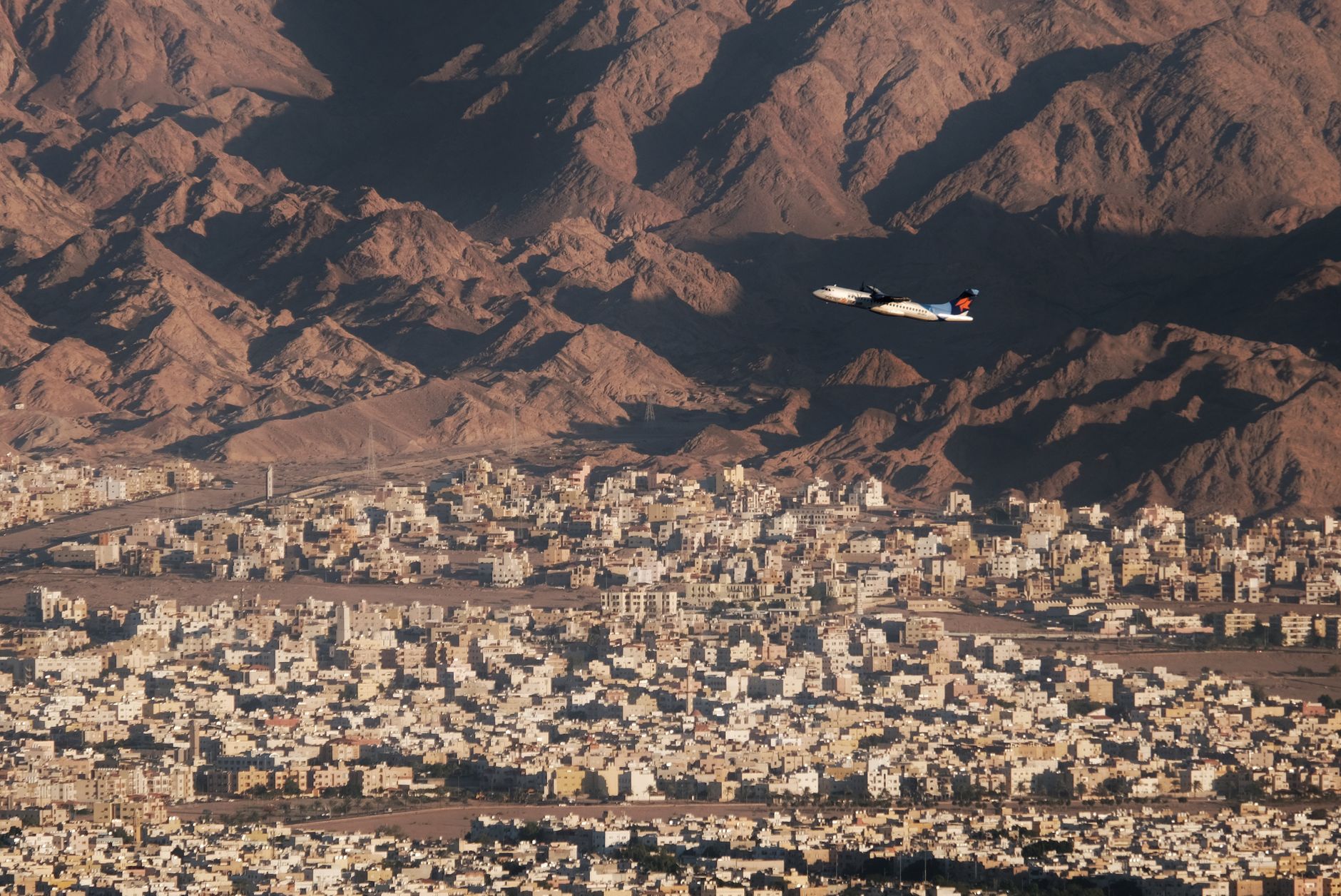
Photo by Thắng-Nhật Trần on Pexels
Where this came from
Related stories