Middle East flight disruption: What are the worst effects?
Middle East flight disruption is causing significant challenges for travelers, with widespread cancellations affecting routes across Saudi Arabia and the Gulf. This situation demands attention from anyone planning to fly in the region.
Overview of the Flight Disruption
The recent Middle East flight disruption has resulted in significant travel chaos across the region, particularly affecting major hubs like Dubai and various airports in Saudi Arabia. Thousands of passengers have been left stranded as airlines struggle to manage widespread route cancellations.
Many travelers are facing extended delays and altered itineraries, leading to frustration and confusion. The ripple effects of these disruptions are felt not only by passengers but also by airlines and tourism sectors in the Gulf region.
Key factors contributing to the disruption include:
- Severe weather conditions
- Operational issues within airlines
- Heightened security measures
As the situation unfolds, travelers are advised to stay updated on their flight statuses and consider alternative plans where possible to mitigate the impact of the ongoing disruptions.
Impact on Travelers in the Middle East
The recent Middle East flight disruption has left thousands of travelers stranded and frustrated. Many passengers have faced significant delays and cancellations, leading to disruptions in their travel plans.
Travelers in the region report a range of challenges, including:
- Increased wait times: Long lines at airports have become the norm as airlines scramble to accommodate affected passengers.
- Limited alternative options: With many flights canceled, rerouting options are scarce, forcing travelers to seek last-minute accommodations.
- Financial implications: Additional expenses for meals and lodging have put a strain on budgets, particularly for those already facing high travel costs.
- Emotional stress: The uncertainty of travel plans has caused anxiety among passengers, impacting their overall experience.
As the situation evolves, the impact of the Middle East flight disruption continues to unfold, affecting both leisure and business travelers alike.
Airlines Affected by the Cancellations
The recent Middle East flight disruption has led to significant cancellations affecting numerous airlines operating in the region. Passengers have faced considerable challenges as major carriers adjust their schedules in response to the ongoing crisis.
- Emirates Airline: One of the largest airlines in the Middle East, Emirates has suspended several flights to key destinations.
- Qatar Airways: The airline has also seen a substantial number of route cancellations, causing delays in travel plans for many.
- Saudia: Saudi Arabia’s national carrier has been heavily impacted, with numerous flights grounded.
- Etihad Airways: This Abu Dhabi-based airline has made adjustments to its flight operations, affecting routes across the Gulf.
As the situation evolves, travelers are urged to check with their airlines for the latest updates on their flights amid the disruptions in the Middle East.
Tips for Navigating the Disruption
As travelers navigate the ongoing Middle East flight disruption, here are some essential tips to help mitigate the impact of cancellations and delays.
- Stay Informed: Regularly check your airline’s website or app for real-time updates on your flight status.
- Plan Ahead: If possible, arrive at the airport early to avoid last-minute rushes, especially if your flight is rescheduled.
- Explore Alternatives: Consider rebooking on different airlines or routes to reach your destination.
- Know Your Rights: Familiarize yourself with the compensation policies of airlines for delays and cancellations.
- Stay Flexible: Be prepared to adjust your travel plans, as the situation may change rapidly.
By following these tips, travelers can navigate through the challenges posed by the current disruptions more effectively.
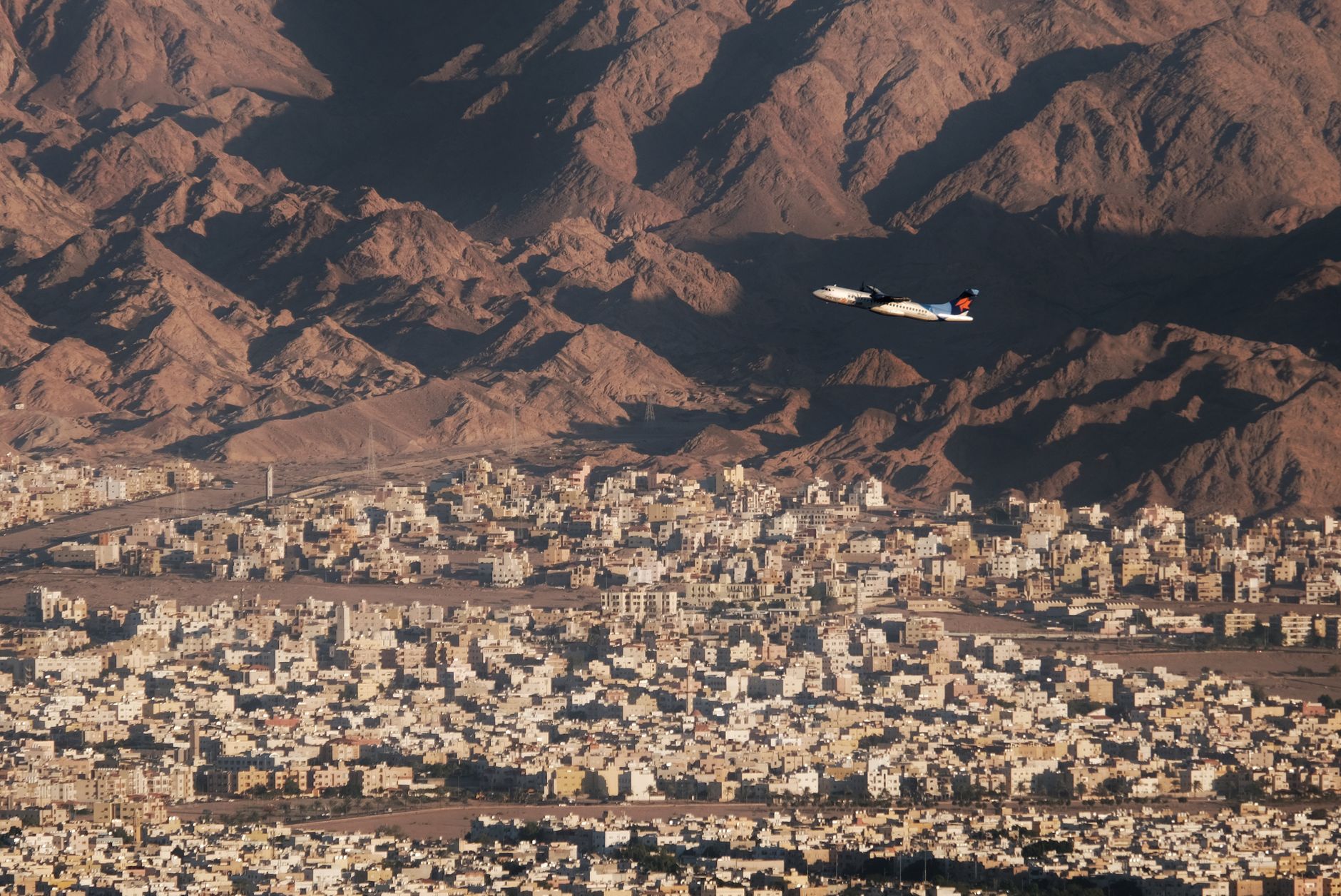
Photo by Thắng-Nhật Trần on Pexels
Sources
Condé Nast Traveller Middle East
Related reading
UP tiger reserves reopening: Is it the best time to visit? · Sajek Valley Tourism: The Best Place to Explore Nature · Power Bank Ban: Clear Rules for Safe Air Travel