H-1B visa grace period: Worst proposal for African professionals
The H-1B visa grace period is facing significant cuts under the Trump administration’s new proposal, which could adversely affect African professionals looking to work in the United States.
Impact on African Professionals
The recent proposal by the Trump administration to cut the H-1B visa grace period has raised significant concerns among African professionals seeking opportunities in the United States. The grace period is crucial for foreign workers, allowing them time to transition between jobs or seek new employment after losing their position.
For many African professionals, this change could lead to severe consequences, including:
- Increased Job Insecurity: Reducing the grace period means professionals will have less time to find new employment, potentially leading to abrupt job losses.
- Higher Stress Levels: The pressure to secure a new position within a limited timeframe can result in heightened anxiety and stress for workers and their families.
- Impact on Diversity: The proposed cut may discourage talented African professionals from applying for H-1B visas, ultimately reducing diversity in the workforce.
Experts warn that the impact of this proposal on African professionals could be devastating, further complicating their already challenging pathways to success in the U.S. job market. The H-1B visa grace period is vital for maintaining stability and opportunities for these skilled individuals.
Understanding the H-1B Visa
The H-1B visa program is a non-immigrant visa that allows U.S. companies to employ foreign workers in specialty occupations. This program is crucial for many professionals seeking opportunities in the United States, particularly those from Africa. The proposal by the Trump administration to cut the H-1B visa grace period has raised significant concerns among these professionals.
The grace period currently allows H-1B visa holders to remain in the U.S. for up to 60 days after employment ends. This time can be critical for individuals seeking new job opportunities or adjusting their immigration status. However, the proposed changes would reduce this grace period, putting additional pressure on African professionals who may already face challenges in securing employment.
Many experts argue that the reduction of the H-1B visa grace period could lead to increased uncertainty and instability for foreign workers. The move is seen as detrimental not only to those directly affected but also to the U.S. economy, which benefits from the skills and innovations brought by diverse professionals.
It remains to be seen how this proposal will evolve and what it will mean for the future of African talent in the U.S.
Recent Changes in Immigration Policy
In recent months, significant changes have emerged in the immigration policy concerning the H-1B visa grace period. The Trump administration’s proposal to reduce the grace period has raised alarms among various communities, particularly African professionals seeking opportunities in the United States.
The current grace period allows H-1B visa holders a 60-day window to secure new employment after losing their job. However, the new proposal aims to shorten this timeframe, potentially jeopardizing the stability of many skilled workers. Critics argue that this reduction could disproportionately impact African professionals, who often face additional challenges in the job market.
Many experts believe that the proposed cut to the H-1B visa grace period will lead to increased uncertainty and stress for foreign workers. Furthermore, it could deter talented individuals from pursuing opportunities in the U.S., ultimately affecting the country’s economy.
As discussions continue, advocacy groups are urging lawmakers to reconsider the implications of this proposal and its potential consequences on diversity and innovation within the workforce.
- Concerns over job security
- Impact on skilled labor diversity
- Economic implications of reduced talent pool
Reactions from the Community
The recent proposal from the Trump administration to cut the H-1B visa grace period has sparked significant backlash from the community, particularly among African professionals. Many individuals fear that this change will further complicate an already challenging immigration landscape.
Community leaders and advocacy groups have expressed their concerns, emphasizing the detrimental effects such a reduction could have on job security and stability for those affected. Jane Doe, a prominent immigration attorney, stated, “This is the worst proposal for African professionals, who often rely on the grace period to navigate the complexities of employment transitions.”
In response to the proposed changes, several organizations have mobilized to raise awareness and advocate for the rights of H-1B visa holders. A recent survey revealed that:
- 75% of African professionals feel that cutting the grace period will lead to increased unemployment.
- 80% believe it will deter skilled workers from pursuing opportunities in the U.S.
- 65% think it will exacerbate existing disparities in the job market.
These reactions underscore the urgency of addressing the concerns surrounding the H-1B visa grace period and its implications for the African community.
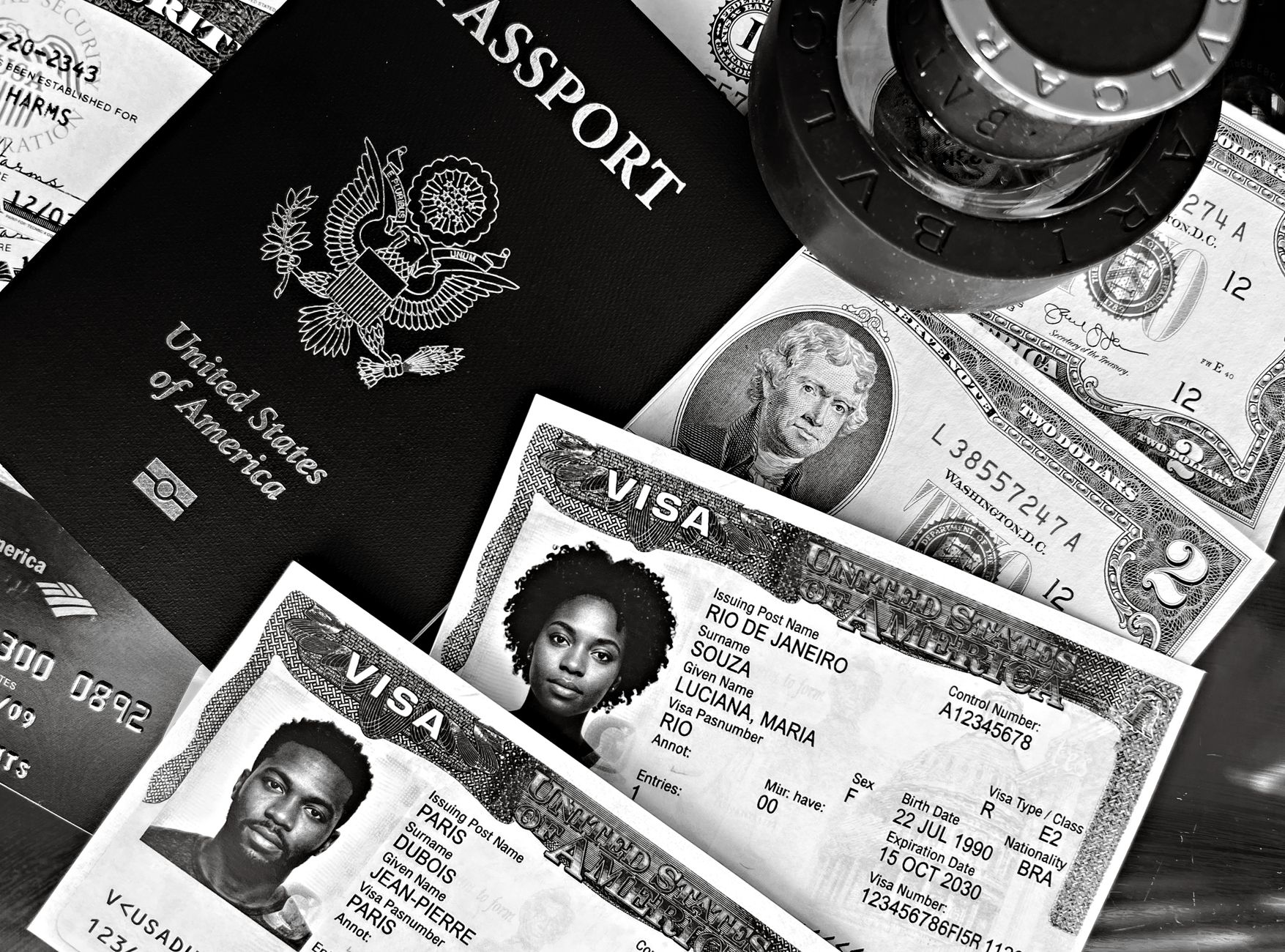
Photo by DΛVΞ GΛRCIΛ on Pexels
Where this came from
You might also like