Airspace ban on Indian flights: The Worst Travel Setback
The airspace ban on Indian flights has been extended, creating significant challenges for travelers in the region. This decision affects various travel routes and plans.
Overview of the Airspace Ban
The recent airspace ban on Indian flights imposed by Pakistan has created significant disruption in the aviation sector. This decision extends an ongoing restriction that has been in place since tensions escalated between the two nations. The ban affects numerous airlines and thousands of passengers, with many travelers experiencing delays and cancellations.
Key points surrounding the airspace ban include:
- Duration: The ban is set to continue indefinitely, leaving airlines scrambling to adjust their routes and schedules.
- Impact on Airlines: Major Indian carriers have been forced to reroute flights, resulting in increased operational costs and extended travel times.
- Passenger Inconvenience: Travelers are facing longer journeys and potential disruptions, as many flights must now navigate around the restricted airspace.
- Economic Consequences: The ongoing ban is expected to have a ripple effect on trade and tourism between the two countries, impacting the broader regional economy.
As the situation unfolds, stakeholders are closely monitoring the developments, hoping for a resolution that could ease the current travel restrictions.
Impact on Travelers
The airspace ban on Indian flights has created significant challenges for travelers, disrupting plans and causing widespread frustration. As Pakistan extends its restrictions, the implications for passengers are becoming increasingly evident.
Many travelers now face:
- Flight Cancellations: Airlines have been forced to cancel or reroute numerous flights, leading to lengthy delays and uncertainty.
- Increased Costs: With rerouted flights, passengers may encounter higher ticket prices as airlines adjust to the new travel routes.
- Extended Travel Times: The detours required to navigate around the airspace ban on Indian flights can significantly lengthen travel times, impacting both business and leisure travelers.
Passengers are advised to remain flexible with their travel plans and stay updated on their airlines’ communications. Frequent flyers are particularly affected, as loyalty programs may be strained by the unexpected changes.
Travel agencies are also feeling the pressure, as they work to accommodate clients affected by the ban. Many are offering assistance in rebooking flights and navigating the complexities introduced by the airspace restrictions.
Overall, the airspace ban is proving to be one of the worst travel setbacks for those planning to fly in the region.
Reasons Behind the Extension
The recent extension of the airspace ban on Indian flights by Pakistan has raised numerous questions regarding the motivations behind this decision. Several factors contribute to this ongoing restriction, impacting not only airlines but also travelers seeking connections through the region.
One significant reason for the airspace ban is the heightened geopolitical tensions between India and Pakistan. Ongoing disputes, particularly concerning Kashmir, have strained relations and led to a lack of trust, prompting Pakistan to maintain its restrictions as a precautionary measure.
Additionally, security concerns play a vital role in this situation. The Pakistani government may perceive Indian flights as a potential threat, leading to tighter regulations surrounding airspace usage. This cautious approach aims to safeguard national interests amidst a backdrop of uncertainty.
Economic factors also influence the airspace ban. The suspension of Indian flights impacts trade routes and can affect tourism revenue for both countries. In this context, the ban serves as a tool for Pakistan to exert pressure on India while negotiating future agreements.
Overall, the combination of geopolitical, security, and economic considerations underpins the decision to extend the airspace ban on Indian flights, complicating travel for many.
Future of Air Travel in the Region
The recent extension of the airspace ban on Indian flights has raised significant concerns regarding the future of air travel in the region. As tensions continue to affect diplomatic relations, airlines and passengers are left grappling with uncertainty.
Travel experts predict several potential outcomes:
- Increased Flight Costs: Airlines may increase ticket prices due to limited available routes, leading to higher travel expenses for passengers.
- Shift in Travel Patterns: Many travelers may seek alternate routes or modes of transportation, affecting overall travel habits in the region.
- Economic Impact: The ban can have broader economic ramifications, potentially affecting tourism and trade between countries.
- Long-term Negotiations: Prolonged airspace restrictions may prompt diplomatic negotiations aimed at resolving the ongoing tensions, although this remains uncertain.
As countries navigate these challenges, the aviation industry must adapt to the evolving landscape. Airlines may need to reassess their operational strategies and explore new partnerships to mitigate the impact of the airspace ban. For travelers, staying informed and flexible will be essential as the situation develops.
Official Responses and Statements
In response to the ongoing airspace ban on Indian flights, various officials from both India and Pakistan have made statements that reflect their respective positions on the matter. The Indian Ministry of External Affairs expressed deep concern over the prolonged restrictions, emphasizing the negative implications for travelers and trade. A spokesperson stated, “This ban not only affects our airlines but also hampers the connectivity that is vital for economic growth in the region.”
On the other hand, Pakistani authorities justified the airspace ban by citing security concerns and the need to protect its national interests. A government official remarked, “The extension of the airspace ban is a necessary measure to ensure the safety of our airspace and citizens.” This has sparked criticism from various quarters, including travel agencies and industry stakeholders who argue that the ban is a significant setback for air travel.
Moreover, international aviation organizations have urged both countries to engage in dialogue to find a resolution. One travel advocate noted, “The continued airspace restrictions are not just a bilateral issue; they have regional implications that affect travelers from all over the world.”
As discussions continue, the future of air travel in the region remains uncertain.
The recent airspace ban on Indian flights has caused significant disruptions for travelers and airlines alike. As a result, many passengers are now facing unexpected delays and cancellations due to the airspace ban on Indian flights.
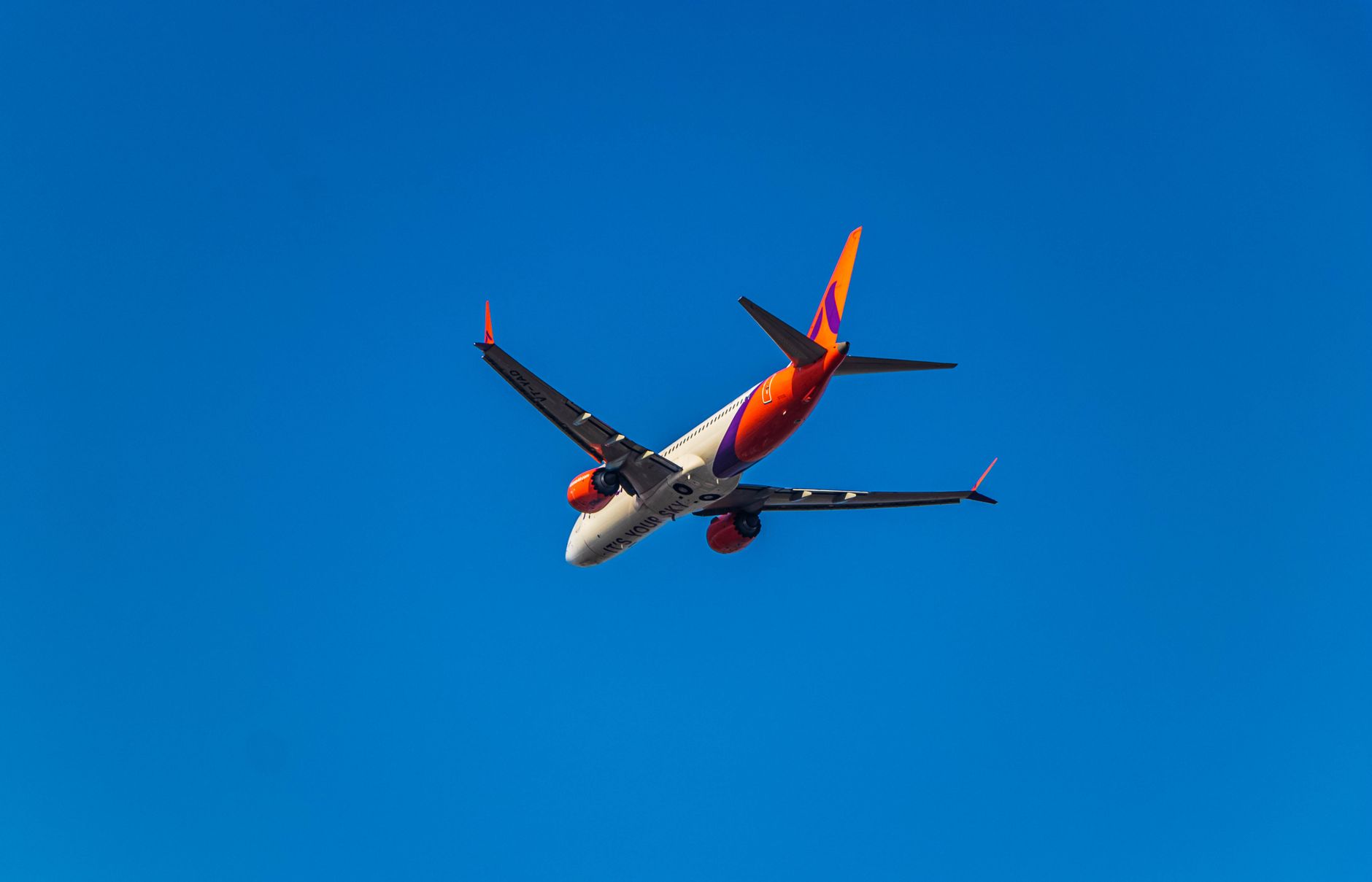
Photo by Jinish Shah on Pexels
References
You might also like