Saudi Arabia Tourism Crisis: The Real Impact on Vision 2030
Saudi Arabia Tourism Crisis is affecting travel plans and the ambitious Vision 2030 initiative. This article explores the current situation and its implications.
Understanding the Saudi Arabia Tourism Crisis
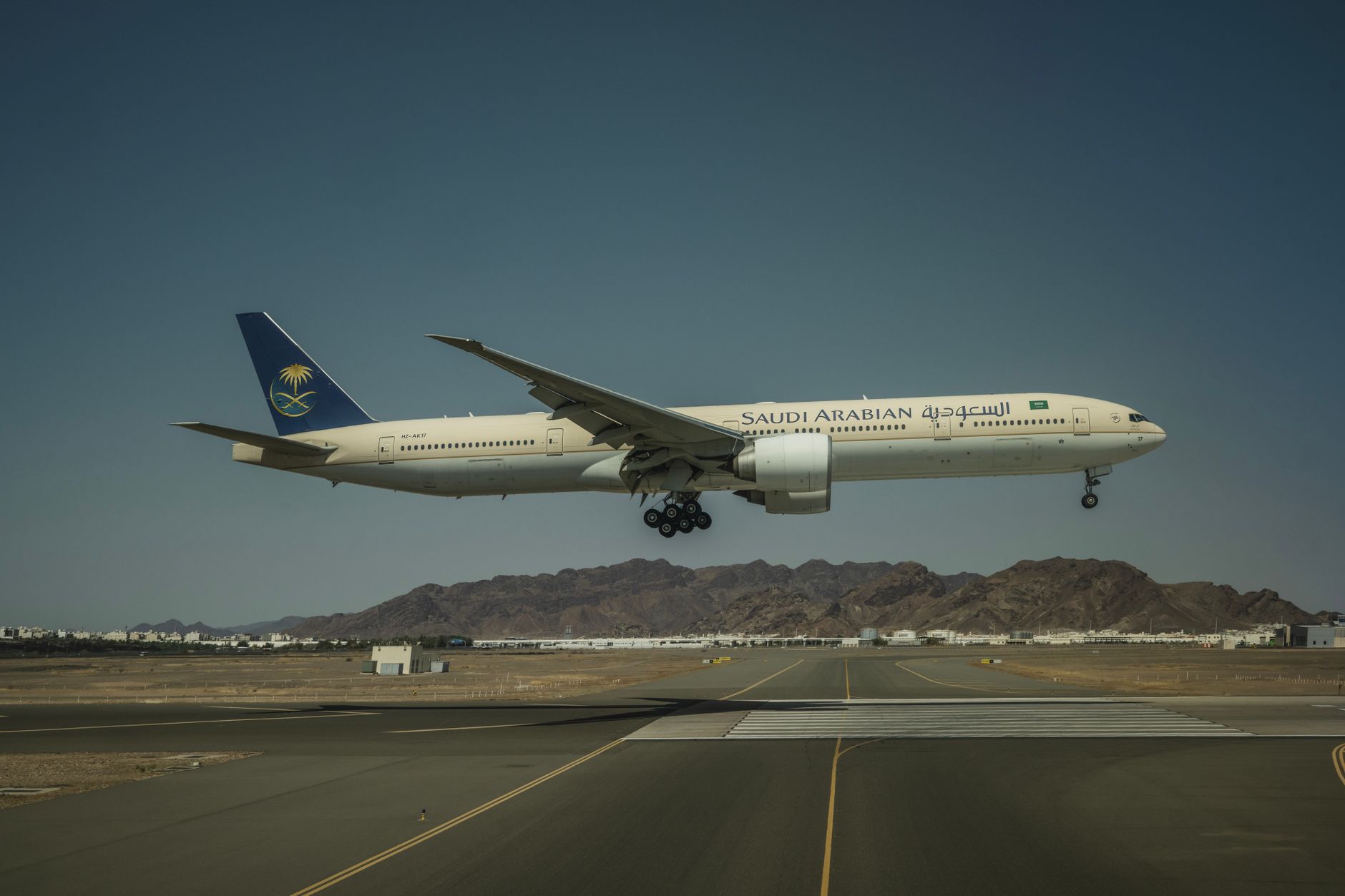
The Saudi Arabia tourism crisis has emerged as a significant challenge to the nation’s ambitious Vision 2030 initiative. This plan aims to diversify the economy and reduce dependence on oil revenues by boosting sectors like tourism. However, recent developments at Riyadh Airport have raised concerns about the country’s ability to attract international visitors.
Several factors contribute to this crisis, including:
- Travel Restrictions: Ongoing global travel restrictions due to health concerns have limited the number of tourists entering the country.
- Infrastructure Issues: Reports indicate that inadequate airport facilities and services have led to negative experiences for travelers, deterring potential visitors.
- Competition from Neighboring Regions: Other destinations in the Middle East are increasingly appealing, as they have enhanced their tourism offerings and streamlined travel processes.
As a result, the Saudi Arabia tourism crisis not only threatens the revenue generated from tourism but also jeopardizes the overall goals of Vision 2030. The government has acknowledged these challenges and is seeking solutions to restore confidence among travelers.
Efforts to improve airport infrastructure and services, alongside marketing campaigns aimed at highlighting the unique cultural and historical experiences the nation offers, are essential for recovering from this crisis.
Impact on Riyadh Airport Operations
The Saudi Arabia Tourism Crisis has created significant challenges for Riyadh Airport, a key hub in the nation’s ambitious Vision 2030 initiative. With tourism being a primary focus for economic diversification, the operational disruptions at the airport have raised concerns about the overall impact on the country’s goals.
Riyadh Airport, which is vital for international travel, has seen a considerable decline in passenger numbers due to the ongoing crisis. This downturn affects not only the airport’s revenue but also the broader economic ecosystem that relies on tourism-related activities. Key implications include:
- Reduced Flight Operations: Airlines have scaled back their services, leading to fewer available routes and longer wait times for travelers.
- Economic Impact: Local businesses that depend on tourist spending, such as hotels and restaurants, are experiencing significant revenue losses.
- Employment Challenges: Job losses in the tourism sector are rising, prompting fears about long-term employment stability in the region.
As the Saudi Arabia Tourism Crisis continues to unfold, the effectiveness of measures to stabilize and revitalize Riyadh Airport will be crucial. The airport’s ability to recover will play a pivotal role in achieving the targets set forth in Vision 2030, underlining the interconnectedness of infrastructure and tourism growth.
Challenges for Vision 2030 Goals
The Saudi Arabia Tourism Crisis poses significant challenges to the ambitious goals set forth in Vision 2030. This strategic framework aims to diversify the economy and reduce dependence on oil revenues, with tourism playing a crucial role in achieving these objectives.
One of the primary hurdles faced by the government is the declining number of international visitors. With travel restrictions and safety concerns affecting global tourism, Saudi Arabia has seen a sharp downturn in arrivals. This decline not only impacts the hospitality sector but also threatens to derail the broader economic diversification efforts.
Key challenges include:
- Infrastructure Development: The planned investments in tourism infrastructure, including hotels and entertainment venues, may stall due to reduced funding and investor confidence.
- Job Creation: The tourism sector was expected to generate millions of jobs. A downturn could lead to increased unemployment rates, particularly among young Saudis.
- Global Perception: The ongoing crisis affects Saudi Arabia’s image as a safe and attractive destination, which is vital for long-term recovery.
As the nation grapples with these challenges, stakeholders must adapt strategies to mitigate the impact of the Saudi Arabia Tourism Crisis and ensure that Vision 2030 remains on track. Collaborative efforts between the government, private sector, and international partners will be essential to navigate this tumultuous period.
What Travelers Need to Know
The ongoing Saudi Arabia Tourism Crisis has raised several concerns for travelers considering a trip to the Kingdom. As the government implements new regulations and safety measures, it is essential for tourists to stay informed about the current situation.
Travelers should be aware of the following key points:
- Travel Restrictions: Many countries have issued travel advisories, and potential visitors should check the latest guidelines from their home nations regarding travel to Saudi Arabia.
- Health and Safety Protocols: Enhanced health measures are in place at airports and tourist sites. Visitors must adhere to social distancing guidelines and are encouraged to wear masks in crowded areas.
- Flight Availability: With the crisis impacting operations at Riyadh Airport, travelers may experience flight cancellations or delays. It is advisable to confirm flight schedules with airlines before departure.
- Refund and Cancellation Policies: Tourists should review the cancellation policies of their accommodations and travel packages, as many providers are offering flexible options during this time.
- Local Attractions: Some attractions may have altered hours or limited access. Checking the status of specific sites before visiting can help avoid disappointment.
Staying informed and prepared can help travelers navigate the challenges posed by the Saudi Arabia Tourism Crisis while still enjoying their journey in the Kingdom.
Photo by Miguel Cuenca on Pexels
References
Related reading
Hôtellerie des Laquets Reopening: Best Proven Mountain Hotel · Tashkent Airport contract: Is it Worth the Investment? · Rosewood Blue Palace reopening: The Best Proven Resort Experience