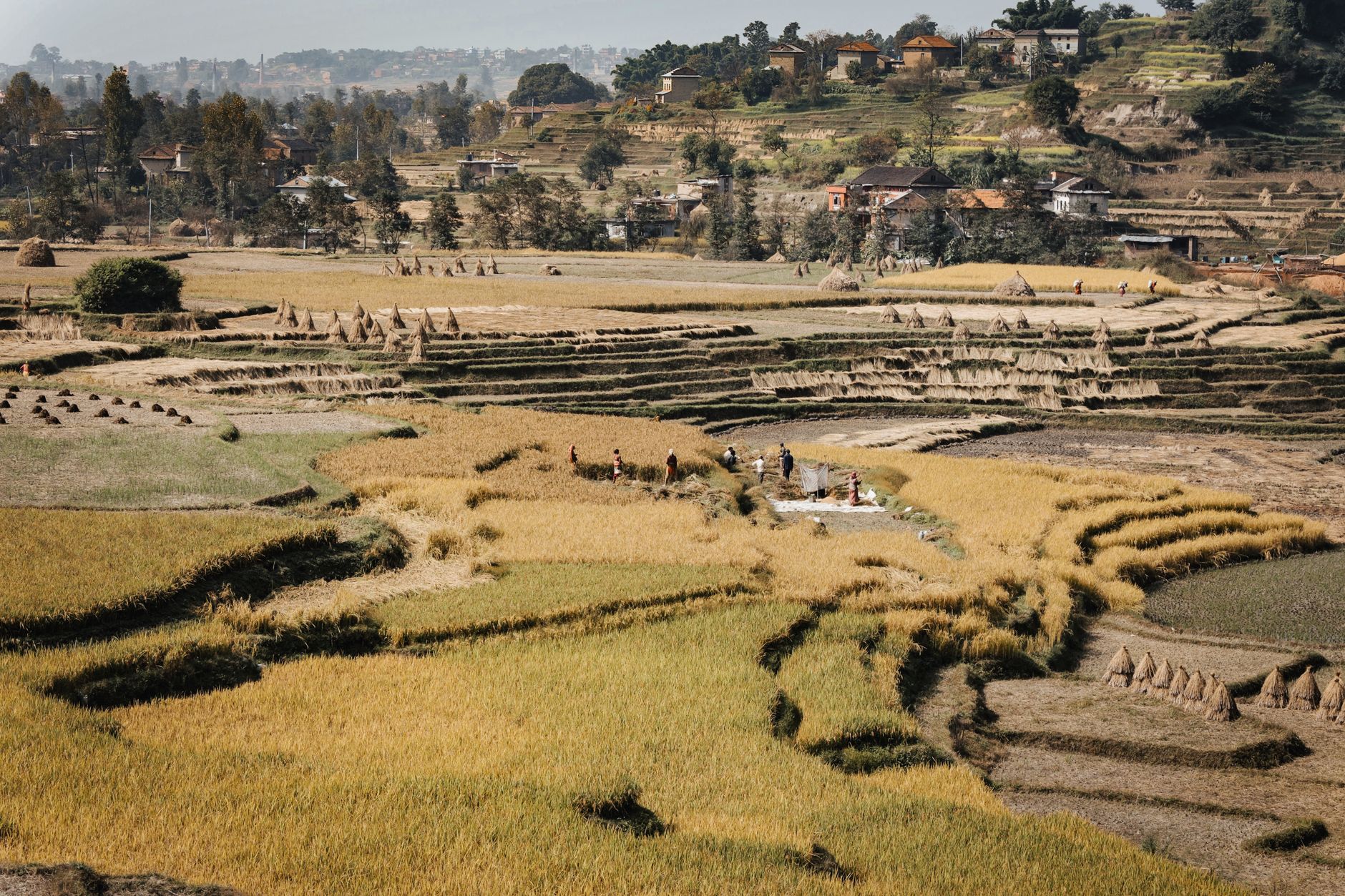
Is Community-Based Agro-Tourism the Best New Travel Trend?
Community-based agro-tourism is gaining traction in Bangladesh as the country’s first village begins construction. This initiative promises to blend travel with sustainable agriculture, attracting visitors and supporting local farmers.
What is Community-Based Agro-Tourism?
Community-based agro-tourism is an emerging travel trend that combines agriculture and tourism, providing visitors with authentic experiences while supporting local communities. This unique approach allows travelers to engage with farming practices, learn about sustainable agriculture, and enjoy local produce in a picturesque setting.
At its core, community-based agro-tourism emphasizes the importance of community involvement. It offers a platform for local farmers to showcase their work and share their knowledge with visitors. Tourists can participate in various activities, such as:
- Farm tours that highlight sustainable farming techniques
- Workshops on cooking with local ingredients
- Seasonal harvest festivals that celebrate community culture
- Hands-on experiences where visitors can plant, tend, and harvest crops
This model not only enriches the travel experience but also fosters economic growth in rural areas by creating jobs and promoting local products. As the country’s first community-based agro-tourism village begins construction, it signals a growing recognition of the value of integrating tourism with agricultural practices. The village aims to attract tourists seeking a deeper connection with the countryside while helping to sustain the livelihoods of local farmers.
Ultimately, community-based agro-tourism serves as a bridge between urban travelers and rural communities, promoting understanding, respect, and appreciation for the agricultural heritage of the region.
Benefits of Agro-Tourism
Community-based agro-tourism offers a multitude of benefits that appeal to both travelers and local communities. By immersing visitors in agricultural activities, it promotes a deeper understanding of farming and sustainability. This hands-on experience allows tourists to connect with nature and learn about local food systems, fostering a greater appreciation for the origins of their meals.
Moreover, community-based agro-tourism supports local economies. By encouraging tourists to stay in nearby accommodations, eat at local restaurants, and purchase handmade goods, it helps to circulate money within the community. This economic boost can lead to improved infrastructure and services, which further enhances the quality of life for residents.
In addition to economic advantages, agro-tourism promotes environmental awareness. Many agro-tourism initiatives focus on sustainable practices, teaching visitors the importance of biodiversity and conservation. This education can inspire travelers to adopt more sustainable habits in their own lives.
Finally, community-based agro-tourism strengthens social ties. Visitors often engage with local families and participate in cultural exchanges, creating connections that benefit both tourists and hosts. This exchange fosters mutual respect and understanding, enriching the travel experience for everyone involved.
In summary, the benefits of community-based agro-tourism are extensive, from economic support to environmental education and social connections, making it a compelling choice for travelers seeking meaningful experiences.
Construction Details of the New Village
The construction of the first community-based agro-tourism village in the country is officially underway, marking a significant milestone in sustainable travel and local engagement. This innovative project aims to provide travelers with an authentic experience that highlights the culture and agricultural practices of the region.
The village will feature a variety of structures designed to blend seamlessly with the surrounding landscape. Key components of the construction include:
- Accommodation Facilities: Eco-friendly lodges and cottages will be built using sustainable materials, offering guests a comfortable stay while minimizing environmental impact.
- Community Spaces: Areas for gatherings and events will foster a sense of community among visitors and local residents, promoting cultural exchange and collaboration.
- Educational Centers: Facilities dedicated to teaching visitors about local farming techniques, organic practices, and the importance of biodiversity will be integrated into the village.
- Market Areas: Spaces for local farmers to sell their produce and crafts, allowing visitors to support the community directly and engage with the local economy.
As the construction progresses, the emphasis remains on creating a sustainable model that showcases the benefits of community-based agro-tourism. This approach not only enhances the visitor experience but also strengthens the local economy, making it a promising trend in travel.
Impact on Local Farmers
The emergence of community-based agro-tourism is poised to have a significant impact on local farmers, transforming their livelihoods and enhancing community cohesion. By integrating tourism with agriculture, farmers can diversify their income sources and reduce reliance on traditional farming methods.
One of the most notable benefits is the opportunity for farmers to showcase their produce and practices directly to visitors. This connection fosters a greater appreciation for local agriculture and encourages consumers to support farm-fresh products. Additionally, agro-tourism provides farmers with a platform to educate guests about sustainable farming practices, thereby promoting environmental stewardship.
Moreover, community-based agro-tourism creates job opportunities beyond farming. Local residents can engage in various roles, such as tour guides, hospitality workers, or artisans, contributing to the overall economic growth of the area. This interconnectedness helps strengthen community bonds, as residents work together to ensure the success of tourism initiatives.
However, it is essential for farmers to balance tourist demands with their agricultural responsibilities. Sustainable practices must be prioritized to maintain the integrity of the land and ensure that farming can flourish alongside tourism. As community-based agro-tourism continues to grow, local farmers stand at the forefront of this trend, shaping a new narrative that values both the land and the community.
Tourist Attractions in Agro-Tourism
Community-based agro-tourism offers a unique blend of cultural and agricultural experiences that attract visitors looking for authentic travel opportunities. Tourists can engage with local communities while exploring various agro-tourism attractions that showcase sustainable practices and traditional farming methods.
Some popular tourist attractions in community-based agro-tourism include:
- Farm Tours: Visitors can take guided tours of local farms, observing the daily routines and learning about crop production, animal husbandry, and organic farming techniques.
- Workshops: Hands-on workshops allow tourists to participate in activities such as cheese-making, bread baking, or crafting natural remedies, fostering a deeper connection to the land.
- Food Tastings: Many agro-tourism sites offer tastings of locally produced foods, allowing visitors to savor the flavors of the region while supporting local farmers.
- Cultural Performances: Tourists may also enjoy traditional music, dance, and storytelling events that highlight the cultural heritage of the community.
- Nature Trails: Hiking or biking through scenic landscapes provides an opportunity to appreciate the natural beauty surrounding these agricultural sites.
These attractions not only enhance the travel experience but also promote the principles of community-based agro-tourism by fostering economic development and environmental sustainability. As interest in this travel trend grows, more regions may embrace the concept, bringing new opportunities for both tourists and local communities.
How to Participate in Agro-Tourism
Participating in community-based agro-tourism offers a unique way for travelers to engage with local cultures while supporting sustainable practices. Here are some ways to immerse yourself in this enriching experience:
- Stay at Local Farms: By opting for accommodations on working farms, visitors can enjoy authentic experiences and learn about agricultural practices firsthand.
- Join Farm Tours: Many agro-tourism destinations offer guided tours where tourists can observe daily farm operations, from planting to harvesting.
- Participate in Workshops: Engage in hands-on activities, such as cheese-making or organic gardening, to gain skills while connecting with the community.
- Attend Local Markets: Explore farmers’ markets to taste and purchase fresh produce, homemade goods, and craft items directly from local artisans.
- Volunteer Opportunities: Some farms welcome volunteers, providing a chance to contribute while gaining insight into rural life.
Community-based agro-tourism not only benefits travelers but also empowers local farmers and artisans by fostering economic growth. As you plan your next getaway, consider these approaches to ensure your visit supports the community and enhances your travel experience.
Whether you are a culinary enthusiast or an eco-conscious traveler, community-based agro-tourism provides a fulfilling way to explore new destinations while making a positive impact.
Future of Agro-Tourism in Bangladesh
The future of agro-tourism in Bangladesh is poised for significant growth, particularly with the emergence of community-based agro-tourism. As more travelers seek authentic experiences that connect them with nature and local cultures, agro-tourism offers a promising avenue. This trend is not only beneficial for tourists but also for local communities, creating opportunities for sustainable development and economic resilience.
With the successful launch of the country’s first community-based agro-tourism village, expectations are high for a ripple effect across various regions. This initiative aims to promote local agriculture, empower farmers, and provide visitors with immersive experiences. The village will showcase traditional farming practices, organic produce, and local culinary traditions, attracting both domestic and international tourists.
Moreover, the integration of educational programs about sustainable farming and environmental conservation can enhance the agro-tourism experience. Tourists can participate in hands-on activities, such as planting, harvesting, and cooking, which fosters a deeper appreciation for the agricultural lifestyle.
Local artisans and craftsmen are also expected to benefit from this trend, as their products can be highlighted in the agro-tourism offerings. By purchasing handmade goods, tourists can directly support the community, ensuring that the economic benefits of agro-tourism are felt widely.
As awareness grows and infrastructure improves, community-based agro-tourism could very well become one of the leading travel trends in Bangladesh, promoting both tourism and agricultural sustainability.
Challenges Facing Agro-Tourism
Despite its growing popularity, community-based agro-tourism faces several challenges that could hinder its potential. Understanding these obstacles is crucial for stakeholders to effectively navigate the landscape of agro-tourism.
- Infrastructure Development: Many rural areas lack the necessary infrastructure, such as roads, accommodations, and utilities, which can deter potential visitors. Without adequate facilities, it becomes challenging to attract tourists who expect a certain level of comfort and accessibility.
- Market Awareness: There is often a limited awareness of agro-tourism among potential tourists. Without effective marketing strategies, even beautifully developed agro-tourism sites may struggle to draw interest and visitors.
- Training and Support: Local farmers and community members may require training to manage tourist interactions and provide quality experiences. Without proper support and resources, the quality of agro-tourism offerings can diminish.
- Seasonality: Agro-tourism can be heavily influenced by agricultural cycles and seasons, leading to fluctuations in visitor numbers. Developing year-round attractions and activities can be a challenge for communities.
- Environmental Concerns: There is a risk that increased tourist activity could negatively impact local ecosystems. Sustainable practices must be implemented to ensure that agro-tourism does not harm the very resources that attract visitors.
Addressing these challenges is essential for the long-term success and sustainability of community-based agro-tourism initiatives.
Photo by Mehmet Turgut Kirkgoz on Pexels
Where this came from
You might also like