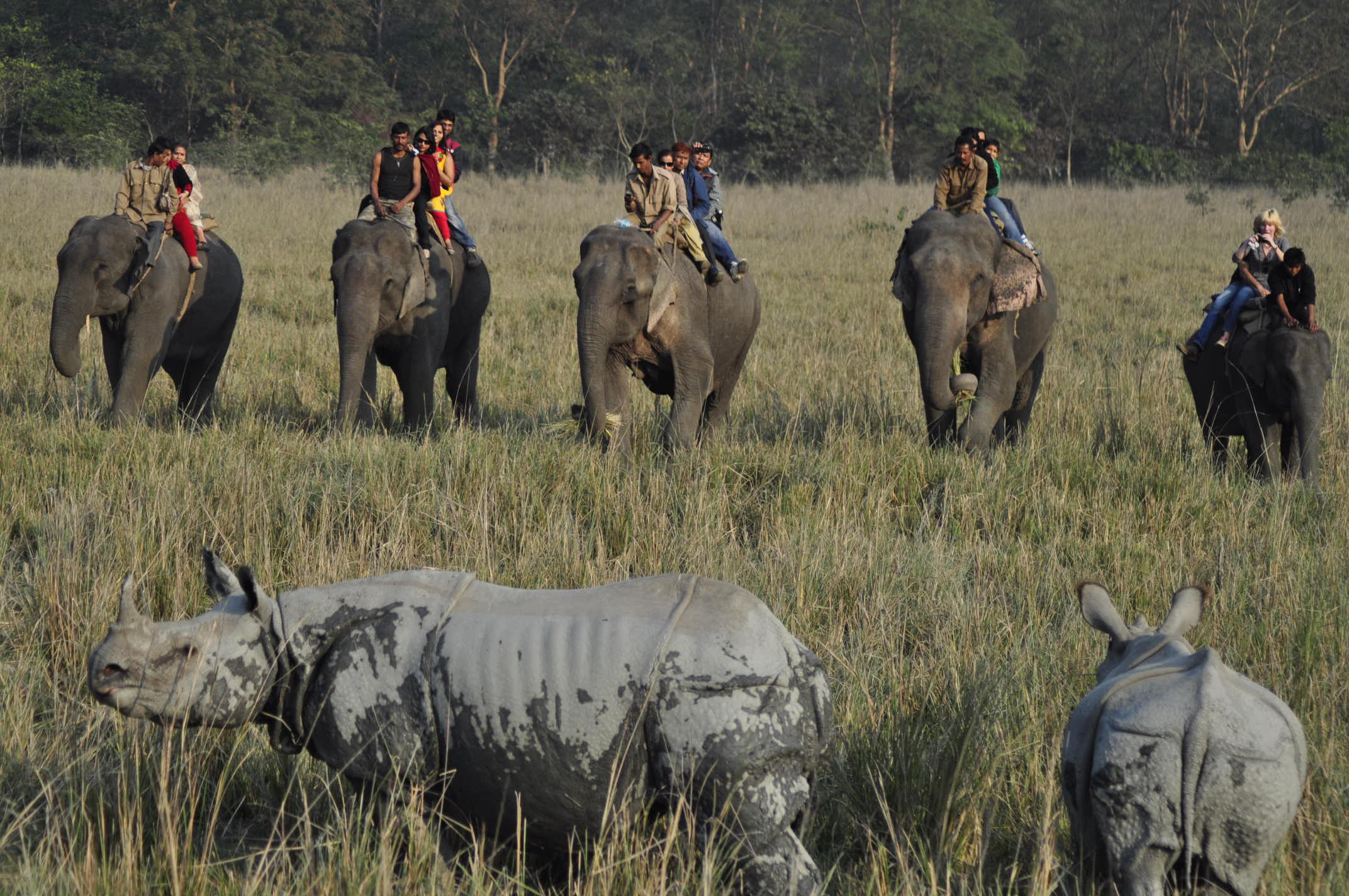
Assam Wildlife Tourism: Best Destinations for Nature Lovers
Assam wildlife tourism is set to thrive as destinations reopen for the new season. Adventure seekers and nature lovers can look forward to exploring the rich biodiversity of this region.
Overview of Assam’s Wildlife Attractions
Assam, a state nestled in the northeastern part of India, is renowned for its rich biodiversity and stunning natural landscapes. The state boasts a variety of wildlife attractions that draw nature lovers from around the globe. With the recent reopening of its wildlife destinations, Assam wildlife tourism is poised for a significant boost, offering visitors a chance to experience its unique ecosystems.
The state’s most famous destination is Kaziranga National Park, a UNESCO World Heritage Site, known for its population of the Indian one-horned rhinoceros. This park also supports a diverse range of flora and fauna, making it a paradise for wildlife enthusiasts and photographers alike.
Another notable destination is Manas National Park, which is recognized for its scenic beauty and rich wildlife, including tigers, elephants, and several species of deer. Visitors can enjoy jeep safaris and guided tours that provide a close encounter with nature.
In addition to these parks, the Assam Hills offer trekking opportunities that allow adventurers to explore the lush forests and hills. Birdwatchers will also find Assam to be a haven, with numerous migratory and resident bird species.
With its diverse offerings, Assam wildlife tourism promises unforgettable experiences for those eager to connect with nature.
Top Wildlife Parks to Visit
Assam is home to some of the most stunning wildlife parks in India, making it a prime destination for wildlife tourism enthusiasts. Here are the top wildlife parks to visit in Assam:
- Kaziranga National Park: Famous for its population of the Indian one-horned rhinoceros, Kaziranga is a UNESCO World Heritage Site. The park offers a unique opportunity to spot elephants, tigers, and a variety of bird species.
- Manas National Park: Another UNESCO World Heritage Site, Manas is known for its rich biodiversity. Visitors can enjoy jeep safaris and river rafting while exploring the park’s lush landscapes.
- Nameri National Park: Located near the Assam-Arunachal Pradesh border, Nameri is ideal for eco-tourists. The park is home to the rare white-winged duck and offers trekking and river rafting experiences.
- Rajiv Gandhi Orang National Park: Often referred to as the mini Kaziranga, this park is known for its population of rhinos and offers a chance to see them up close in a less crowded environment.
These parks not only showcase the vibrant wildlife of the region but also contribute significantly to Assam wildlife tourism, attracting nature lovers from around the world.
Best Time for Assam Wildlife Tourism
When planning a trip for Assam wildlife tourism, choosing the right time is crucial to maximize your experience. The ideal season for exploring the lush landscapes and diverse fauna typically falls between November and April. During these months, the weather is generally pleasant, allowing for comfortable wildlife excursions.
The winter months, particularly December and January, offer the best opportunities for animal sightings, as many species are more active in cooler temperatures. Additionally, this period coincides with the dry season, which means animals are more likely to congregate around water sources, making them easier to spot.
For bird enthusiasts, the migratory season from November to March presents a unique chance to witness a variety of avian species. Assam’s national parks become a haven for birdwatchers, with flocks of migratory birds arriving to take advantage of the rich biodiversity.
However, it’s important to note that the monsoon season, which lasts from June to September, can make wildlife viewing challenging due to heavy rainfall and flooding. Therefore, planning your visit during the peak season will ensure an unforgettable experience in Assam’s captivating natural environment.
Travel Tips for Wildlife Enthusiasts
For those planning to explore the diverse wildlife in Assam, several travel tips can enhance your experience and ensure a memorable adventure.
- Plan Ahead: Research the specific wildlife parks and their unique offerings. Each destination has its own special features, so understanding what to expect can help you make the most of your trip.
- Respect Nature: Always adhere to park guidelines and regulations. Maintaining a safe distance from animals and avoiding littering are essential for wildlife preservation.
- Opt for Local Guides: Hiring a local guide can significantly enrich your experience. They possess in-depth knowledge of the area, helping you spot various species and understand their behaviors.
- Visit During Early Hours: Wildlife is most active during dawn and dusk. Arriving early can increase your chances of witnessing thrilling animal activity.
- Pack Wisely: Bring essentials like binoculars, a camera, and insect repellent. Comfortable clothing and sturdy footwear are also recommended for navigating the rugged terrain.
- Stay Hydrated: Carry enough water to stay refreshed, especially during long hours of exploration.
By following these tips, wildlife enthusiasts can fully immerse themselves in the beauty of Assam’s wildlife tourism and create unforgettable memories.
Exploring Assam’s Biodiversity
Assam is a treasure trove of biodiversity, making it a prime destination for wildlife tourism. The region’s unique ecosystem is home to a variety of species, both flora and fauna, that attract nature lovers from all over the world. From the majestic one-horned rhinoceros to the elusive Bengal tiger, Assam’s wildlife is as diverse as it is captivating.
Visitors can explore numerous national parks and wildlife sanctuaries that showcase the region’s rich biodiversity. Some notable spots include:
- Kaziranga National Park: A UNESCO World Heritage Site, famous for its large population of the Indian rhinoceros.
- Manas National Park: Known for its stunning landscapes and diverse wildlife, including elephants and tigers.
- Nameri National Park: A haven for bird watchers, home to over 300 species of birds.
- Chandubi Lake: An excellent spot for eco-tourism and exploring local flora and fauna.
Each of these destinations offers a unique glimpse into Assam’s rich wildlife, making it an unforgettable experience for those interested in Assam wildlife tourism. With guided tours and eco-friendly initiatives, travelers can fully immerse themselves in the wonders of Assam’s natural habitat.
Cultural Experiences in Assam
Assam offers a rich tapestry of cultural experiences that complement its renowned wildlife tourism. Visitors can immerse themselves in the local traditions and practices that shape the lives of the indigenous communities.
One of the most captivating experiences is participating in the Bihu festival, which celebrates the Assamese New Year. This vibrant event showcases traditional dance, music, and local cuisine, providing a unique glimpse into the cultural heritage of the region.
Another highlight is the opportunity to visit tea gardens where tourists can learn about Assam’s famous tea production. Guided tours often include tastings and insights into the historic significance of tea cultivation in the area.
Moreover, exploring the local markets allows travelers to engage with artisans and shop for handmade crafts, textiles, and other souvenirs that reflect Assam’s rich culture.
Wildlife enthusiasts can also take part in community-led conservation projects, which offer a chance to contribute to the preservation of both biodiversity and local culture.
By blending cultural experiences with Assam wildlife tourism, visitors can enjoy a well-rounded adventure that highlights both the natural and human elements of this enchanting region.
How to Plan Your Trip to Assam
Planning your trip to Assam for wildlife tourism can be an exciting yet challenging endeavor. To ensure you make the most of your experience, consider the following tips:
- Research Destinations: Familiarize yourself with the various national parks and wildlife sanctuaries in Assam, such as Kaziranga National Park and Manas National Park. Each location offers unique biodiversity and experiences.
- Best Time to Visit: The ideal months for Assam wildlife tourism are from November to April. During this period, the weather is pleasant, and wildlife sightings are more frequent.
- Book Accommodations: Reserve your stay in advance, especially during peak season. Look for eco-friendly lodges or hotels that prioritize sustainability.
- Plan Activities: Create an itinerary that includes safari tours, birdwatching, and cultural interactions with local communities. This will enrich your wildlife experience.
- Pack Smart: Bring along essentials like binoculars, a camera, comfortable clothing, and insect repellent to ensure a pleasant adventure.
By following these steps, you can create a memorable trip filled with breathtaking wildlife encounters in the heart of Assam.
For those seeking an unforgettable experience, Assam wildlife tourism offers a unique opportunity to explore diverse ecosystems and observe rare species. From lush national parks to serene wildlife sanctuaries, Assam wildlife tourism caters to the interests of every nature lover.
By Anutosh Deb via Openverse
Sources
New Zealand Parent Visa Routes: Best Proven Options · Airfare Price Increase: Why Flights Are Getting Costlier · Is the Vancouver route to Asia the worst travel choice?