
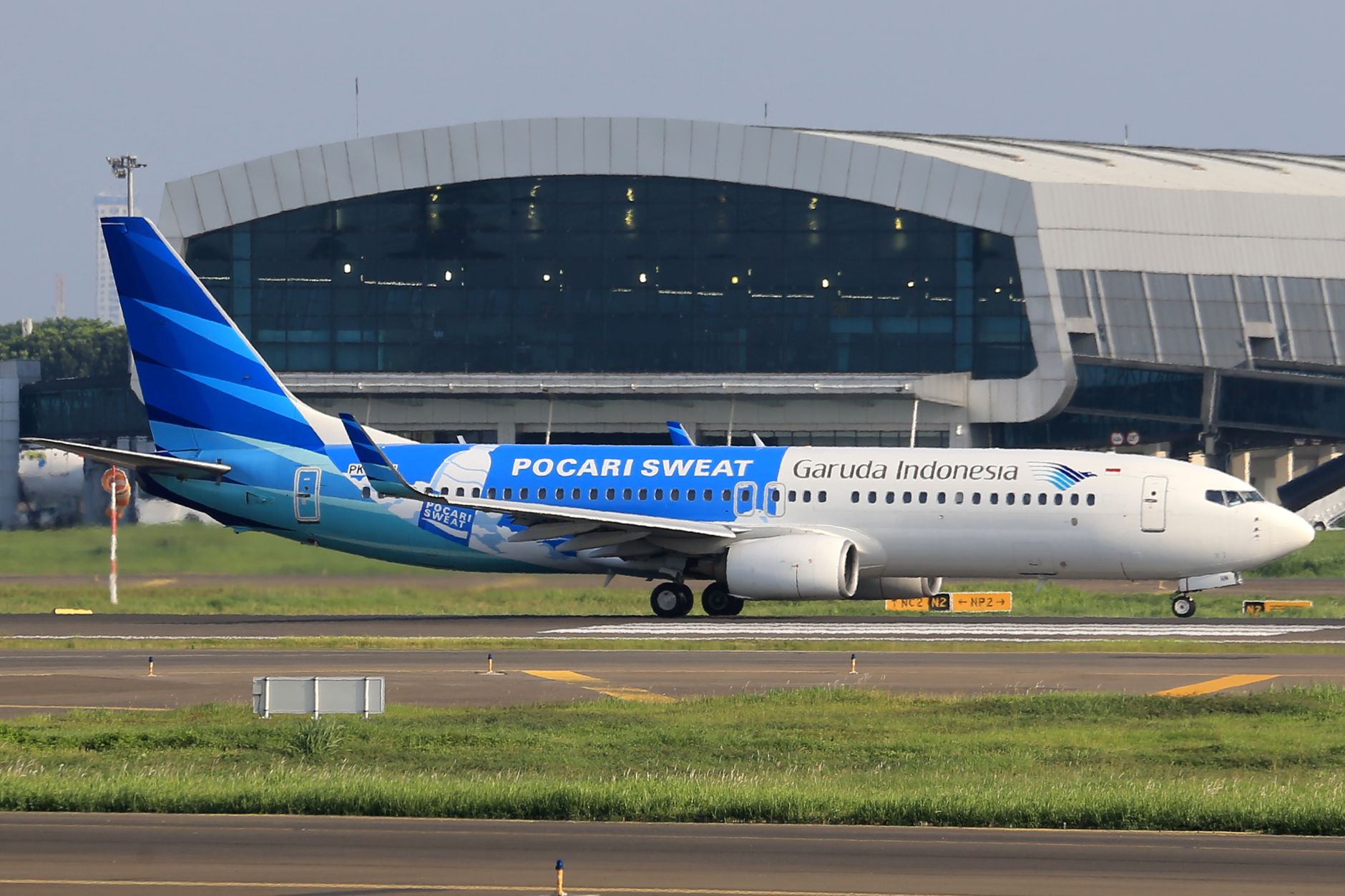
Indonesian airports closure: Worst impact on Indian travelers
Indonesian airports closure has created significant disruptions for travelers. The recent volcanic eruption has forced many Indian tourists to rethink their travel plans in Southeast Asia.
Overview of the volcanic eruption
The recent volcanic eruption in Indonesia has led to significant disruptions, notably resulting in the closure of several key airports across the archipelago. This unforeseen event has not only affected local travel but has also created a ripple effect impacting international travelers, particularly those from India. The closure of Indonesian airports has forced many to reconsider their travel plans, as flights are canceled and rerouted.
As major airports like Ngurah Rai International Airport in Bali and Juanda International Airport in Surabaya remain closed, the fallout has extended beyond Indonesian borders. Many Indian travelers, who often use Southeast Asia as a transit point to reach various destinations, find themselves in a challenging situation. Alternative routes are now being sought, leading to longer travel times and increased costs.
The eruption has also raised concerns regarding safety and the potential for further disruptions. Travelers are advised to stay updated on the situation and to check with their airlines for the latest information regarding flight statuses.
In light of these events, travel agencies are experiencing an uptick in inquiries regarding alternative travel options. As the situation evolves, the impact of the Indonesian airports closure is expected to reverberate throughout the region, underscoring the interconnected nature of global travel.
Impact on Indonesian airports
The recent volcanic eruption in Indonesia has led to the unexpected closure of several airports, causing widespread disruption. This situation has had the worst impact on Indian travelers, many of whom rely on these airports for connecting flights to Southeast Asia.
As travelers find themselves stranded, they face numerous challenges:
- Flight cancellations: Numerous international flights have been canceled, leaving passengers scrambling for alternative routes.
- Increased travel costs: With limited options available, ticket prices for detours have surged, placing financial strain on travelers.
- Longer travel times: Many Indian travelers are forced to take longer routes, resulting in extended layovers and additional travel fatigue.
- Lack of information: Conflicting updates from airlines and airport authorities have left many travelers uncertain about their next steps.
- Emotional stress: The disruption has not only affected travel plans but also caused significant anxiety among those trying to reach family or attend important events.
The cascading impact of the Indonesian airports closure is evident as many are reassessing their travel plans. With ongoing uncertainties surrounding the volcanic activity, travelers are urged to stay informed and remain flexible while making arrangements for their journeys.
Travel disruptions for Indian tourists
The recent Indonesian airports closure due to the volcanic eruption has created significant travel disruptions for Indian tourists. Many travelers who planned to visit popular destinations in Indonesia are now facing uncertainty and delays. The closure of key airports has forced airlines to reroute flights, leading to longer travel times and increased costs.
For those who had planned to use Southeast Asia as a detour to reach Indonesia, the situation has become even more complicated. Indian travelers often rely on connecting flights through neighboring countries, and the current disruptions are causing a ripple effect across the region. As airlines scramble to adjust their schedules, passengers are experiencing:
- Flight cancellations: Numerous flights to and from Indonesian airports have been canceled, leaving travelers stranded.
- Increased layover times: Travelers may find themselves with extended layovers in other countries as they seek alternative routes.
- Higher fares: With fewer available seats on rerouted flights, ticket prices are surging, making travel more expensive.
Travel agencies are advising Indian tourists to stay in touch with their airlines for the latest updates and to consider adjusting their travel plans. As the situation develops, many are hoping for a swift resolution to the Indonesian airports closure to minimize further disruptions.
Alternative travel routes to Southeast Asia
As the Indonesian airports closure continues to disrupt travel plans, Indian travelers are seeking alternative routes to Southeast Asia. With major airports like Ngurah Rai International Airport in Bali and Soekarno-Hatta International Airport in Jakarta temporarily closed, many tourists are left scrambling for options.
Travelers looking to reach their destinations can consider several alternative travel routes:
- Via Singapore: Many Indian travelers are now flying to Singapore before catching connecting flights to their desired Southeast Asian destinations. Singapore Airlines and IndiGo are among the carriers offering multiple daily flights.
- Via Kuala Lumpur: Another popular option is to fly to Kuala Lumpur. Malaysia Airlines and AirAsia provide numerous flights between Indian cities and the Malaysian capital, from where travelers can access various Southeast Asian countries.
- Overland travel: For the more adventurous, overland travel through Thailand or Malaysia is also becoming a viable option. Buses and trains can connect travelers to their final destinations, albeit with longer travel times.
Despite these alternatives, the uncertainty surrounding the duration of the Indonesian airports closure raises concerns among travelers. Many are left pondering whether to postpone their trips entirely or adapt their plans to navigate through the ongoing chaos in the region.
Advice for affected travelers
As the situation unfolds with the Indonesian airports closure, travelers are advised to stay informed and flexible with their travel plans. If you are an Indian traveler caught in this disruption, consider the following tips to navigate the challenges posed by flight cancellations and delays.
- Stay Updated: Regularly check with your airline for real-time information on flight statuses and potential rescheduling options. Many airlines are providing updates through their official websites and social media channels.
- Consider Alternative Airports: Look into nearby airports that may still be operational. Some travelers have successfully rerouted through neighboring countries such as Malaysia or Thailand to reach their destinations.
- Contact Travel Insurance Providers: If you have travel insurance, reach out to your provider to understand your coverage in this situation. They may assist with rebooking fees or other expenses incurred due to the disruption.
- Plan for Delays: If you are already en route, prepare for extended waits. Bring essential items like snacks, water, and entertainment to make your time at the airport more manageable.
In these uncertain times, remaining calm and adaptable is crucial. By following these guidelines, affected travelers can better navigate the fallout from the Indonesian airports closure while ensuring their safety and comfort.
Current status of the airports
The current status of Indonesian airports remains critical as authorities continue to assess the impact of the recent volcanic eruption. Many airports across the archipelago have been temporarily closed, significantly affecting both domestic and international flights. As a result, passengers are experiencing heightened uncertainty and delays.
Currently, major airports such as Ngurah Rai International Airport in Bali and Soekarno-Hatta International Airport in Jakarta are among those affected. Flight schedules have been disrupted, with numerous cancellations reported. Travelers are urged to check with their airlines for the latest updates before heading to the airport.
Air traffic control has implemented safety measures, prioritizing the well-being of passengers and crew. While some airports have reopened, operations are still limited due to ongoing volcanic activity and associated ash clouds. Authorities are closely monitoring the situation and are prepared to make adjustments as necessary.
In light of the Indonesian airports closure, many Indian travelers are seeking alternative routes to reach their destinations in Southeast Asia. Travel agencies are advising those affected to remain flexible with their travel plans and consider rerouting through neighboring countries, such as Singapore or Malaysia.
As conditions evolve, it is essential for travelers to stay informed and follow the guidance provided by local authorities to ensure a safe journey.
Future travel considerations
As the situation surrounding the Indonesian airports closure unfolds, travelers must remain vigilant and adaptable. With the ongoing volcanic activity leading to significant disruptions, it is crucial to consider several factors when planning future trips to Southeast Asia.
First, travelers should stay updated on the latest news regarding flight operations, as the situation can change rapidly. Monitoring official airline announcements and updates from the Indonesian government will provide essential information about any potential reopening of airports.
Additionally, travelers should explore travel insurance options that cover natural disasters. This could mitigate losses due to flight cancellations or changes in travel plans resulting from the airports’ temporary closure.
For those who still wish to travel to the region, alternative routes may present viable options. Consider flying into neighboring countries and then arranging overland travel to reach the desired destination in Indonesia. However, travelers should be cautious and ensure they have the necessary documentation and visas for any additional countries they may transit through.
Lastly, flexibility remains key. Adjusting travel dates or destinations can be beneficial in avoiding the immediate impacts of the volcanic eruption. By keeping these considerations in mind, travelers can navigate the complexities brought on by the Indonesian airports closure and continue to enjoy their journeys in Southeast Asia.
Travel safety tips during emergencies
Travelers facing the unexpected closures of Indonesian airports due to the recent volcanic eruption should prioritize their safety and well-being. Here are some essential tips to ensure a safer journey during such emergencies:
- Stay Informed: Keep updated with official news sources and travel advisories regarding the Indonesian airports closure. This will help you make informed decisions about your travel plans.
- Contact Airlines: Reach out to your airline for the latest information on flight statuses and possible alternatives. Many airlines offer flexible rebooking options during emergencies.
- Consider Travel Insurance: If you haven’t already, consider purchasing travel insurance that covers trip cancellations, interruptions, and emergencies. This can provide peace of mind and financial protection.
- Have Backup Plans: Research alternative routes and destinations. If your original travel plans are disrupted, knowing your options can help you adapt quickly.
- Stay Connected: Keep your mobile devices charged and ensure you have access to communication tools. This can be vital for staying in touch with family or accessing updates.
- Follow Health Guidelines: In crowded areas, adhere to health protocols such as wearing masks and practicing social distancing to protect yourself and others.
By taking these precautions, travelers can navigate the challenges posed by the Indonesian airports closure and ensure a safer experience during their journeys.
The Indonesian airports closure has left many Indian travelers stranded, unable to return home as scheduled. With limited alternatives, the Indonesian airports closure is causing significant disruptions to travel plans across the region.
Photo by Jeffry Surianto on Pexels
Sources
Related reading


